Lower Moisture Conditions That Attract Termites and Wood Damage
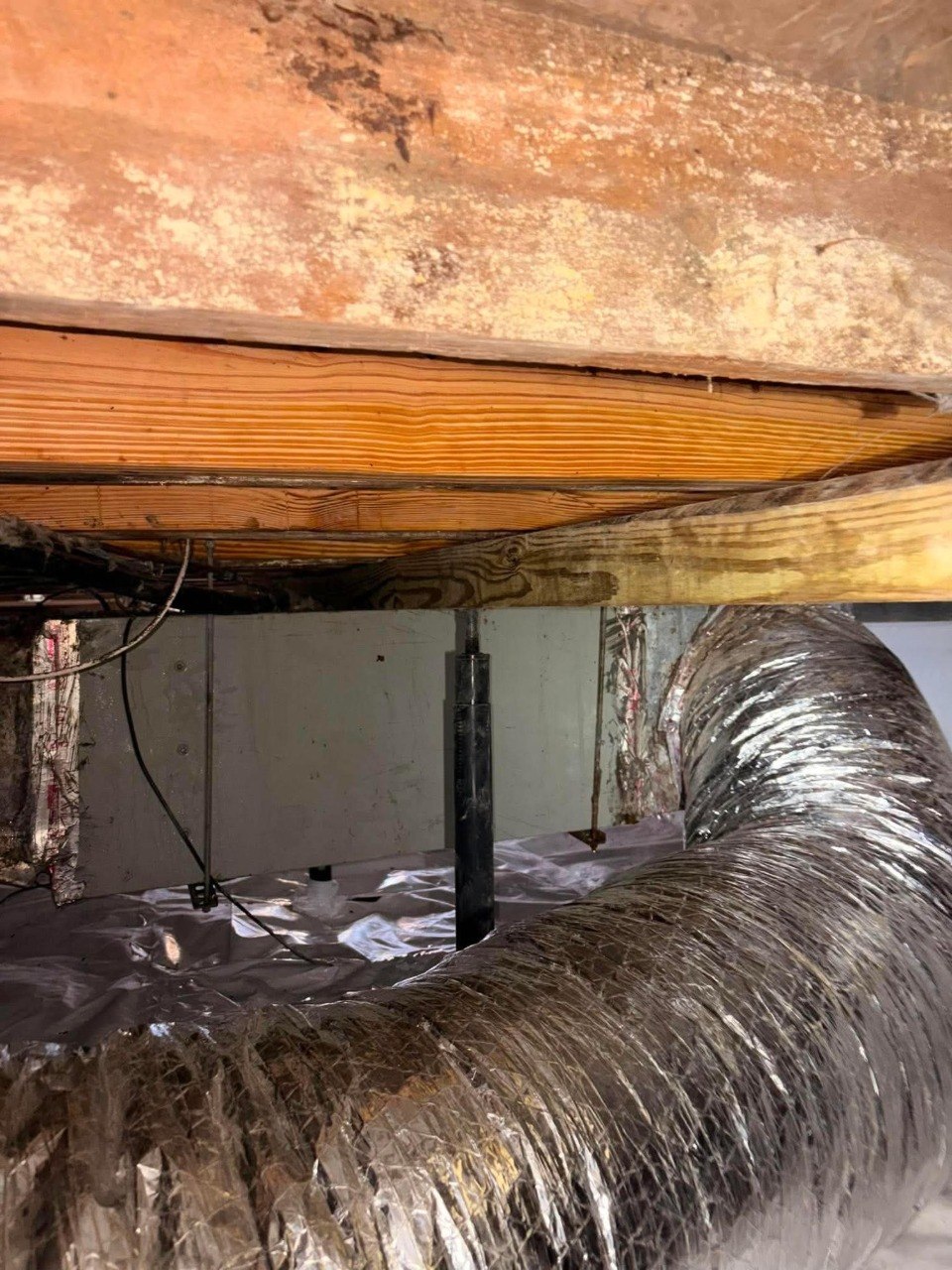
Moisture under a home can create conditions that pests like termites may find more favorable. If your crawl space is damp, has wood-to-soil contact, standing water, or musty odors, it is worth getting the moisture issue checked.
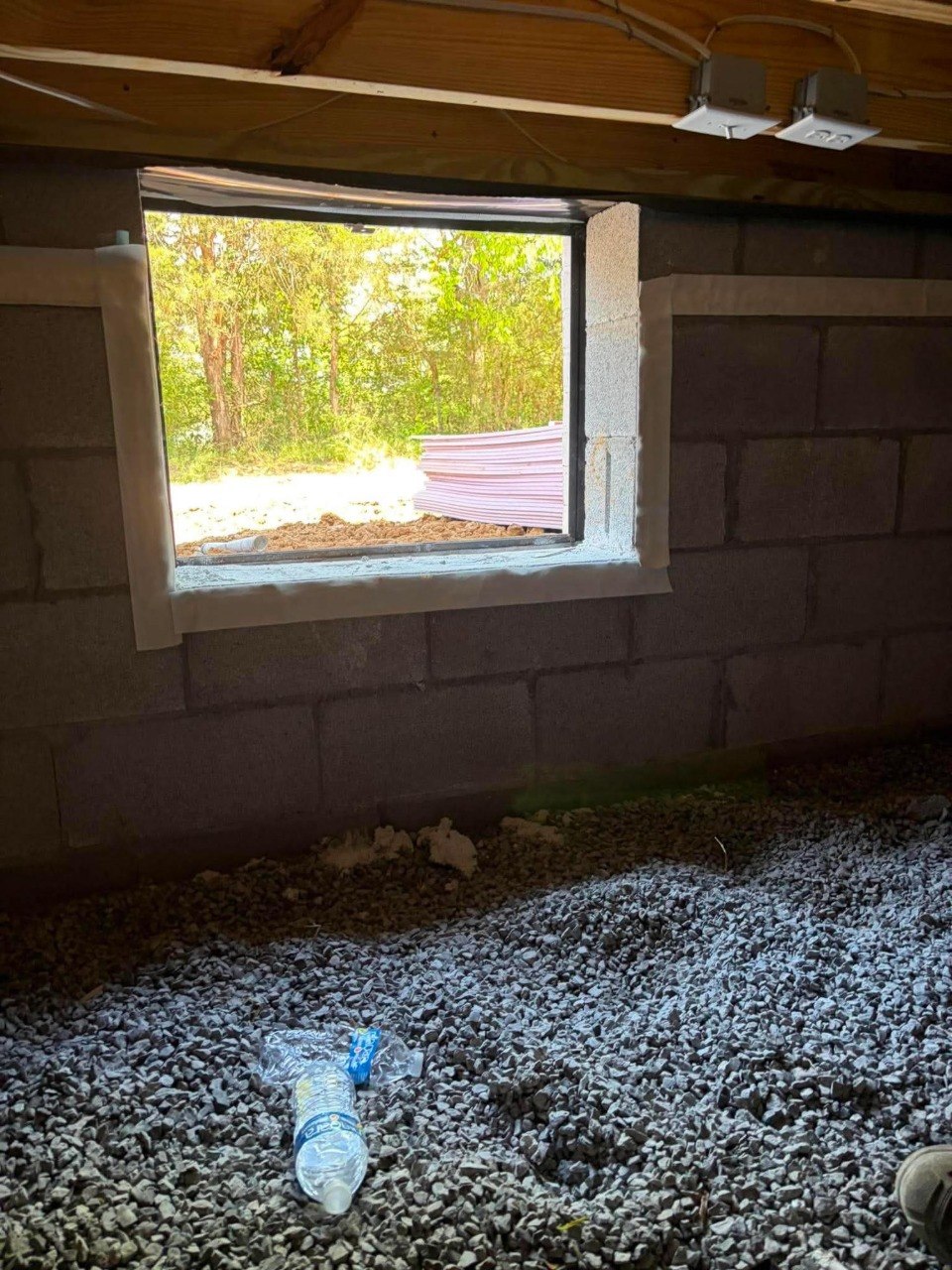
Moisture + Wood Risk Check
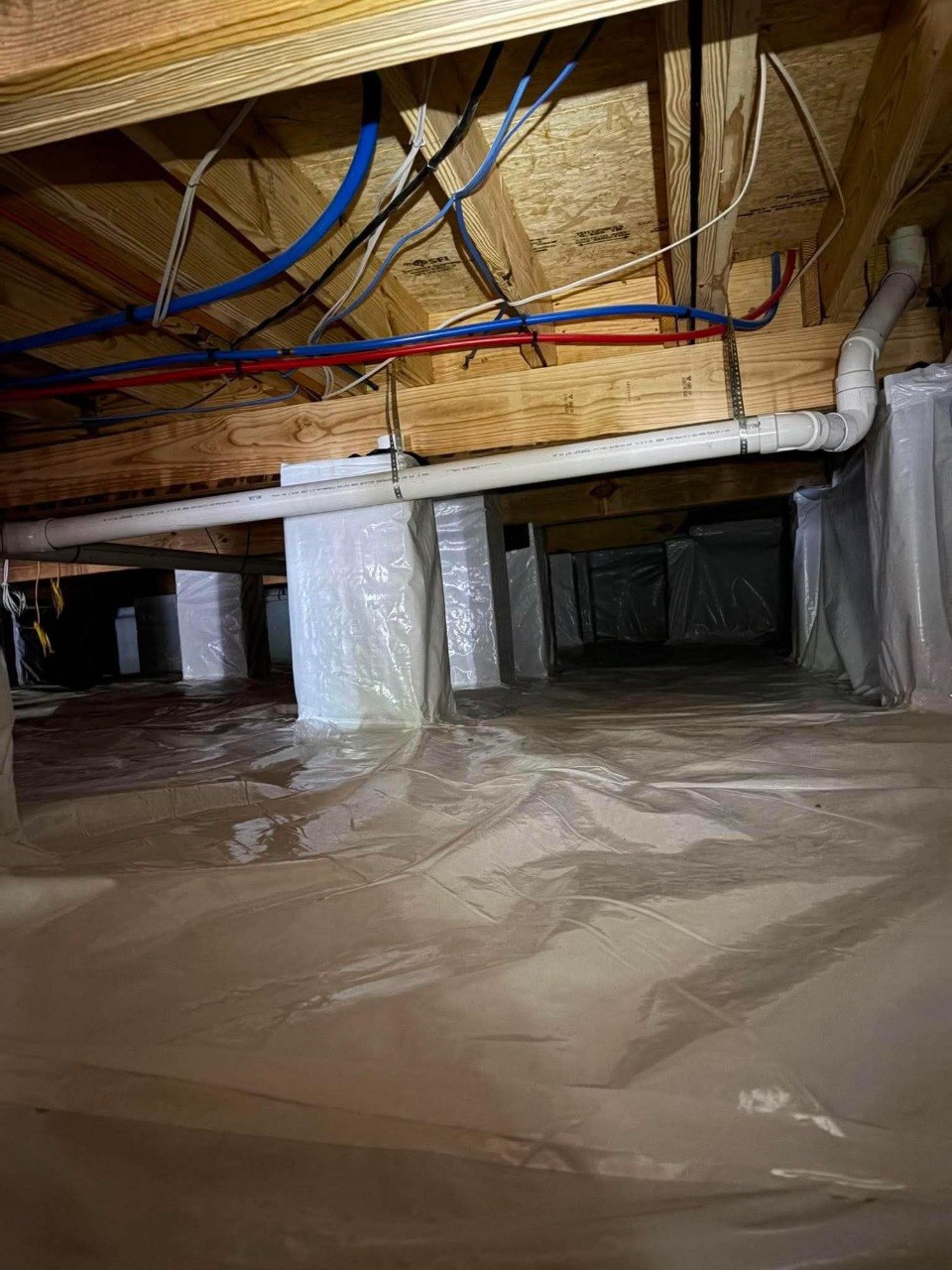
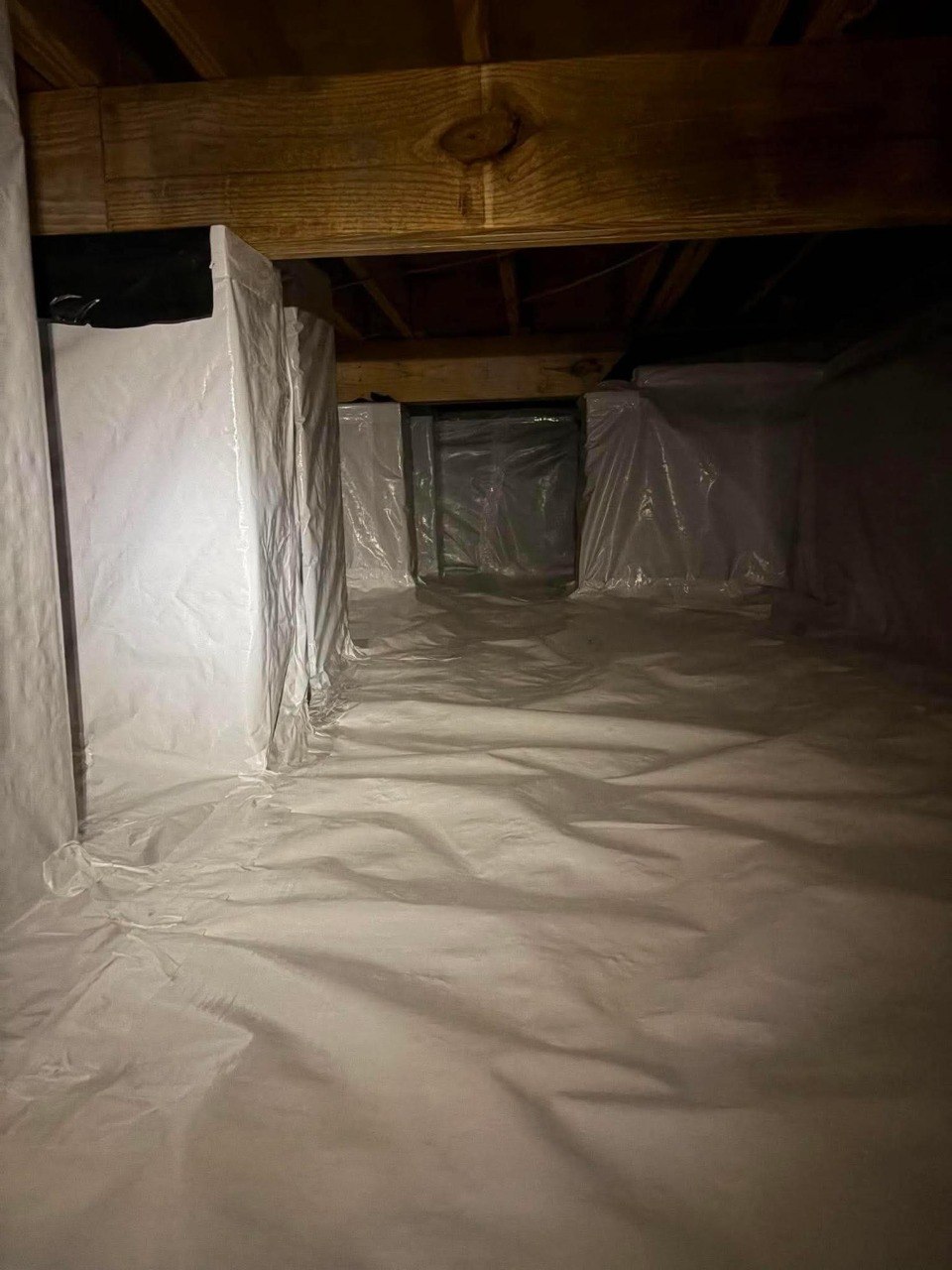
Professional crawl space help for Summerville-area homeowners. A recent crawl space photo is shown below.
Serving Summerville, Ladson, Goose Creek, Moncks Corner, North Charleston, and nearby Lowcountry communities.
Why Moisture and Termite Risk Are Connected
This page is not a termite treatment page. It is about crawl space moisture conditions that may increase pest concern. If you suspect active termites, contact a properly licensed pest-control professional.
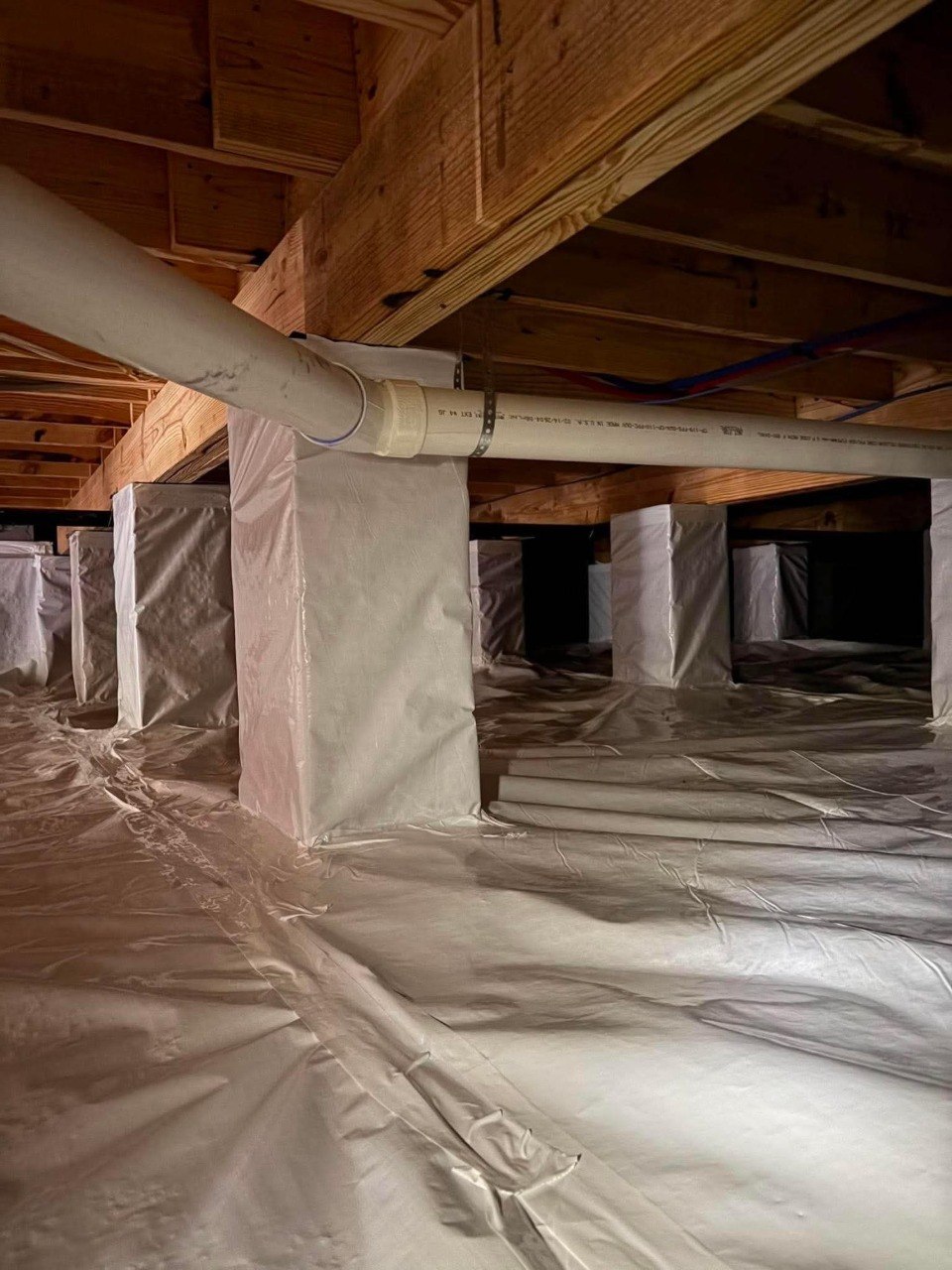
Damp Wood
Wood that stays damp can become more vulnerable over time and should be checked by a qualified professional.
Wood-to-Soil Contact
Wood, debris, or supports touching soil can create easier pathways for pests and moisture problems.
Hidden Crawl Spaces
Because crawl spaces are rarely inspected by homeowners, moisture and pest concerns can go unnoticed.
Conditions Worth Checking Under Your Home
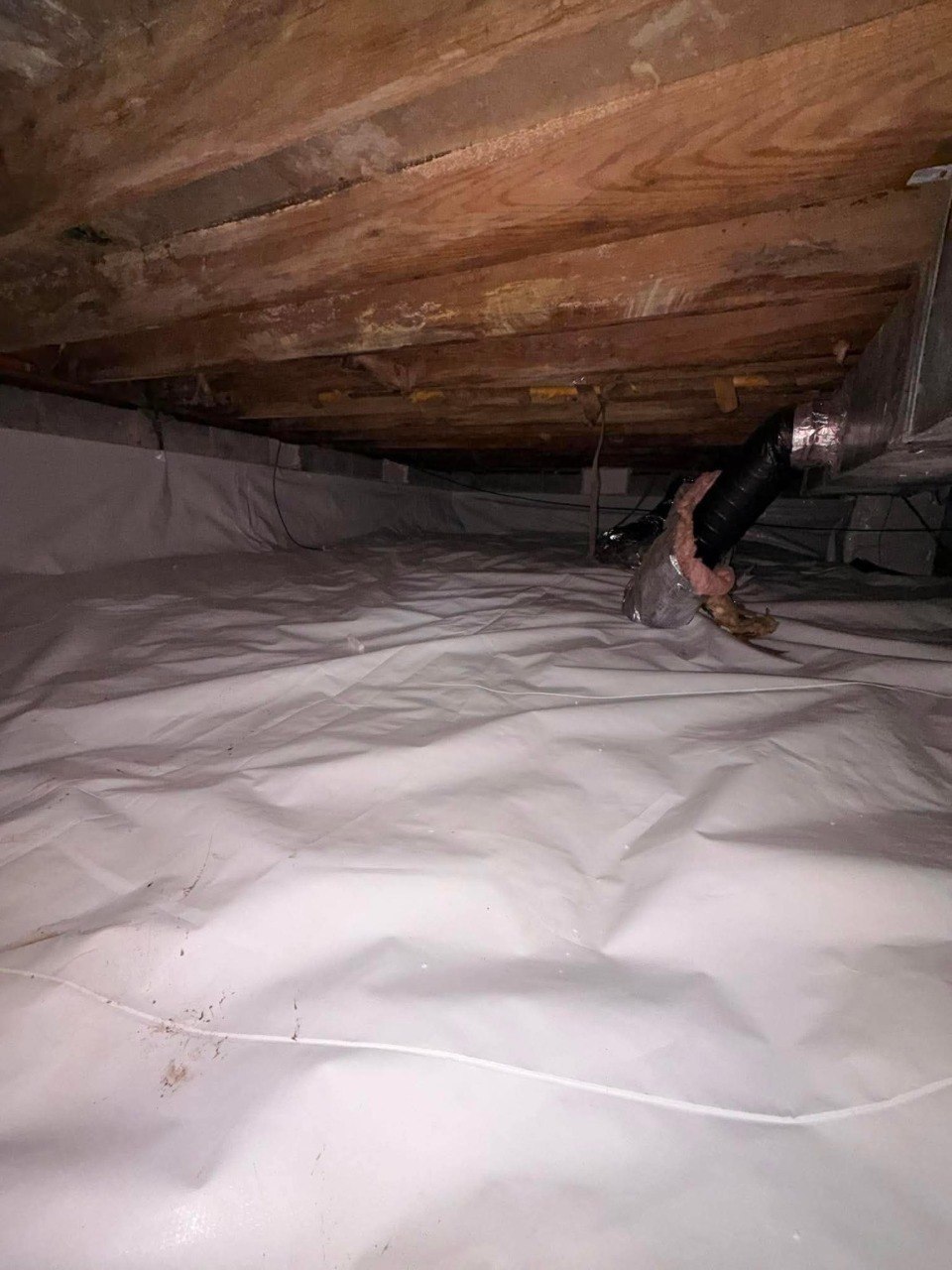
If you are worried about termites, the crawl space should be reviewed for both pest signs and the moisture conditions that may contribute to risk.
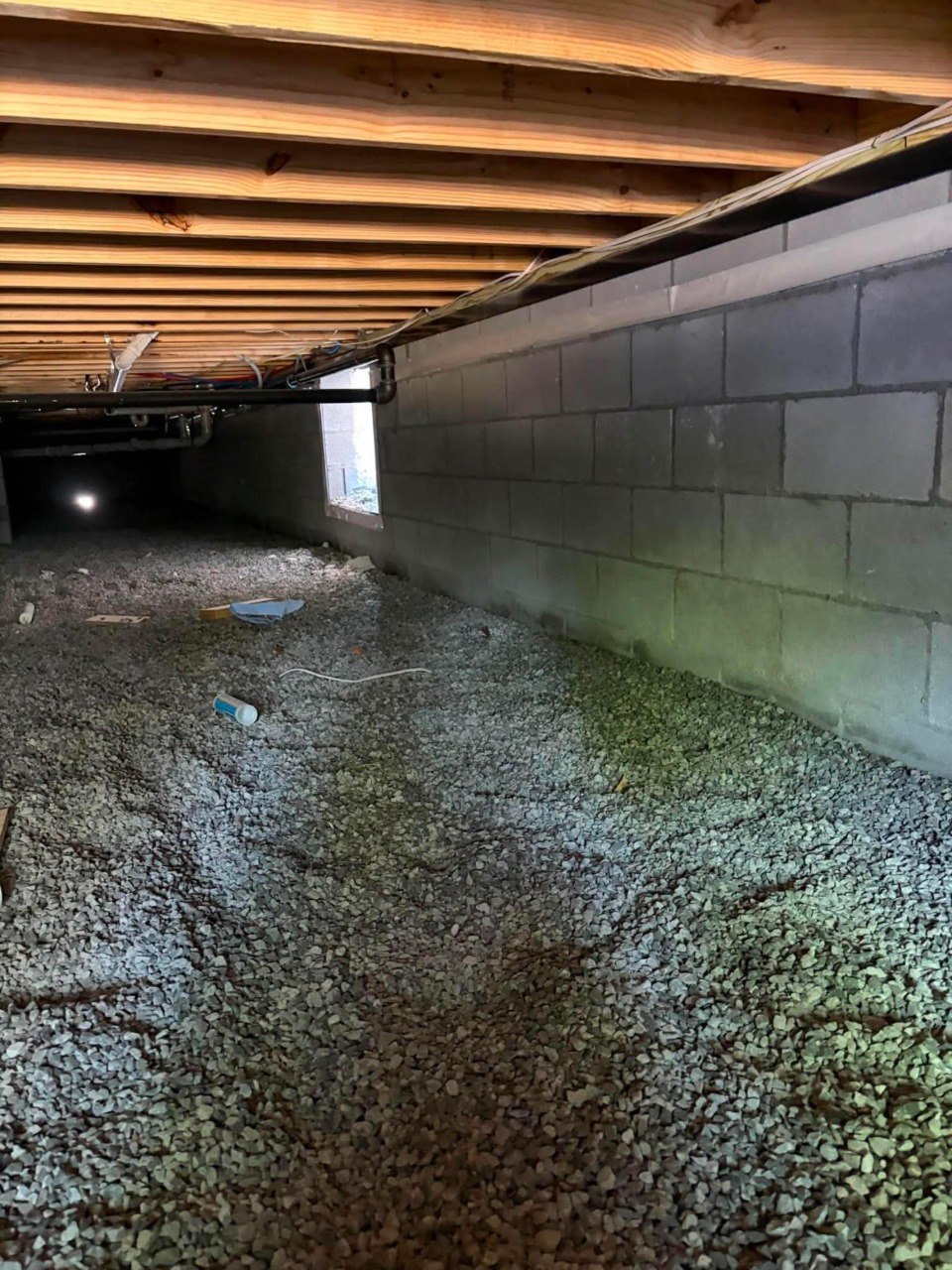
- Standing water or damp soil
- Musty smells coming into the home
- Wet, sagging, or dirty insulation
- Soft or uneven floors
- Wood debris left in the crawl space
- Wood supports touching soil
- Missing or damaged vapor barrier
- Visible mud tubes, damaged wood, or insect activity
Moisture-Control Steps That May Reduce Risk Conditions
A crawl space moisture plan does not replace termite treatment. It can, however, help address damp conditions that may contribute to pest-friendly environments.
Drainage Review
Water collecting under or near the home should be reviewed before installing liners or other crawl space upgrades.
Vapor Barrier Installation
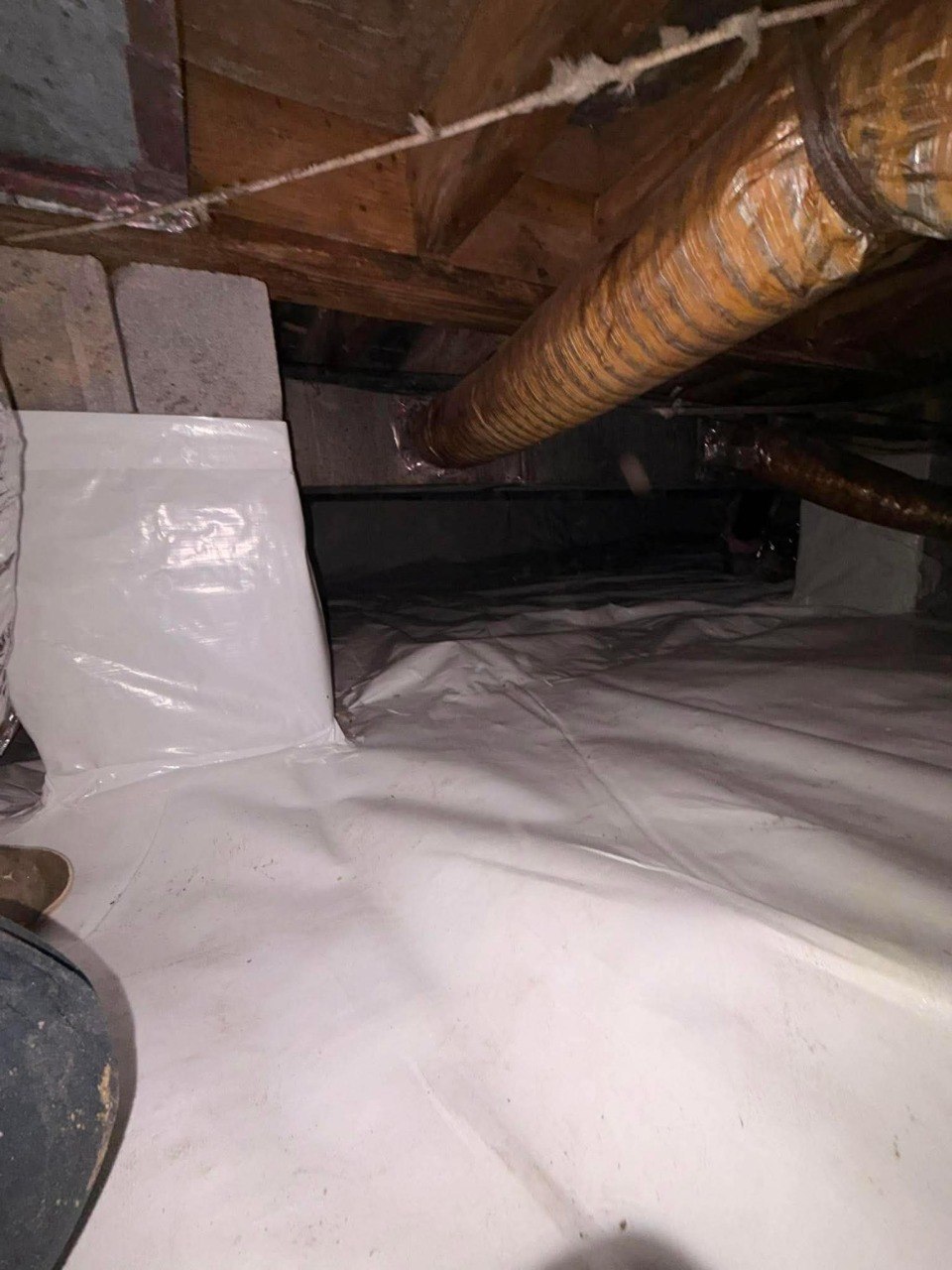
A vapor barrier can help reduce moisture rising from exposed soil into the crawl space.
Encapsulation
For persistent moisture, encapsulation may help separate the crawl space from ground moisture and outside humidity.
Debris and Material Cleanup
Wood scraps, wet insulation, and stored materials may need to be removed so the crawl space can be inspected properly.
Termite Treatment Requires the Right Professional
If you see mud tubes, damaged wood, swarmers, or signs of active termite activity, contact a licensed pest-control company. A crawl space moisture professional can help with dampness and vapor protection, but termite inspection and treatment should be handled by qualified pest-control providers.
Questions to Ask Before Hiring Anyone
Moisture-Control Questions
- Where is the moisture coming from?
- Is there standing water or exposed soil?
- Is a vapor barrier enough or is encapsulation needed?
- Should wet insulation or debris be removed?
- Will the work make future inspections easier?
Pest-Control Questions
- Are there signs of active termite activity?
- Are you licensed for termite inspection or treatment?
- Is treatment needed before moisture-control work?
- Will the crawl space changes affect future termite inspections?
- What documentation or warranty is included?
Crawl Space Termite Risk FAQ
Does moisture cause termites?
Moisture does not automatically mean termites are present, but damp crawl space conditions can be a risk factor worth addressing.
Does encapsulation replace termite treatment?
No. Encapsulation is moisture-control work, not termite treatment. Active termite concerns should be handled by licensed pest-control professionals.
Should I fix moisture before or after termite treatment?
That depends on the situation. Ask the pest-control company and crawl space provider what order makes sense so one project does not interfere with the other.
What should I do first?
If you are seeing moisture or musty smells, request a crawl space check. If you are seeing signs of termites, contact a licensed pest-control company as well.