Fix Damp Air, Musty Smells, and Humidity Problems Under Your Home
Damp crawl spaces are common in the Lowcountry. If you are dealing with musty smells, wet insulation, standing water, high humidity, or mold concerns, the first step is figuring out where the moisture is coming from.
Damp Crawl Space Conditions
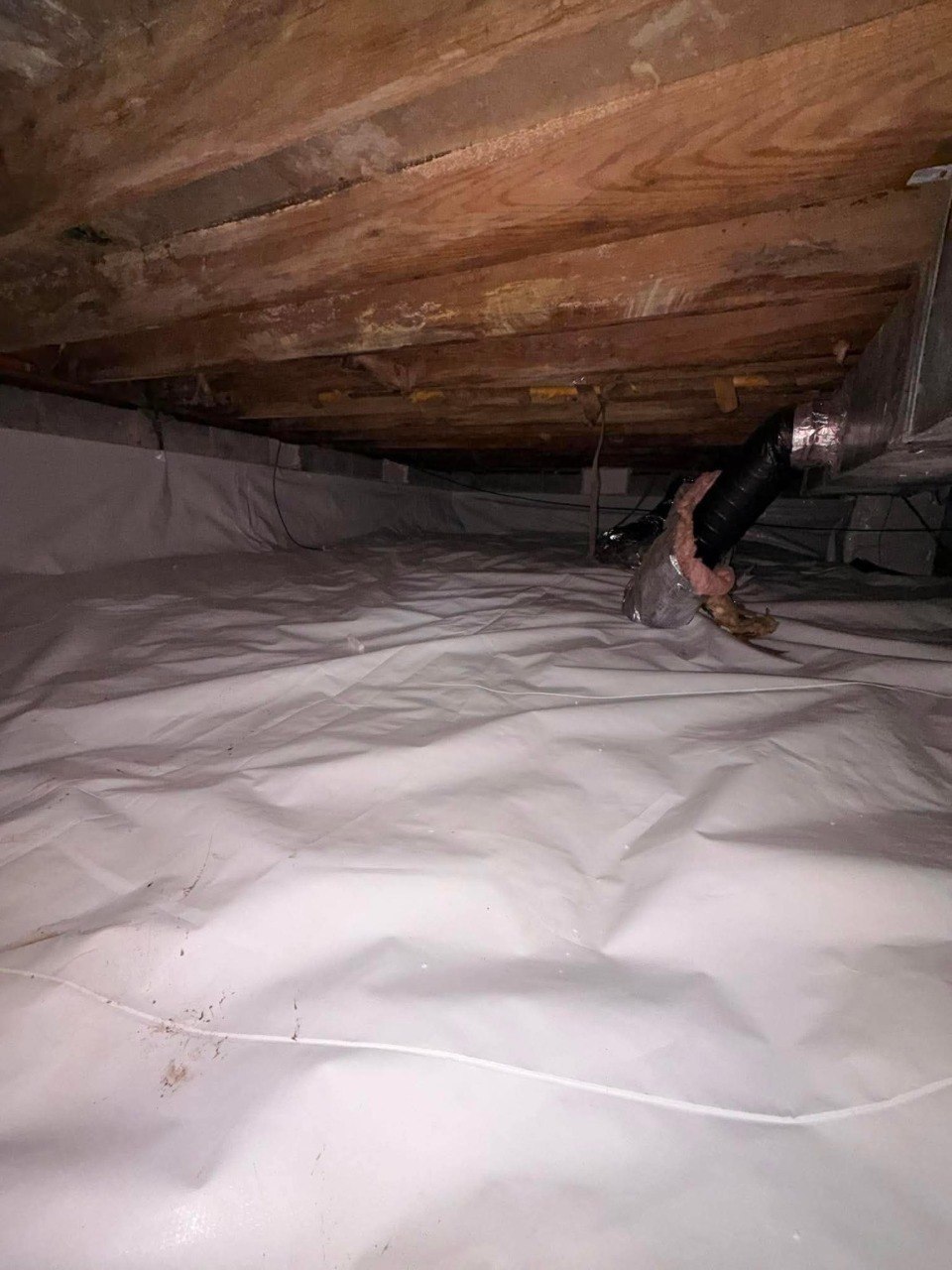
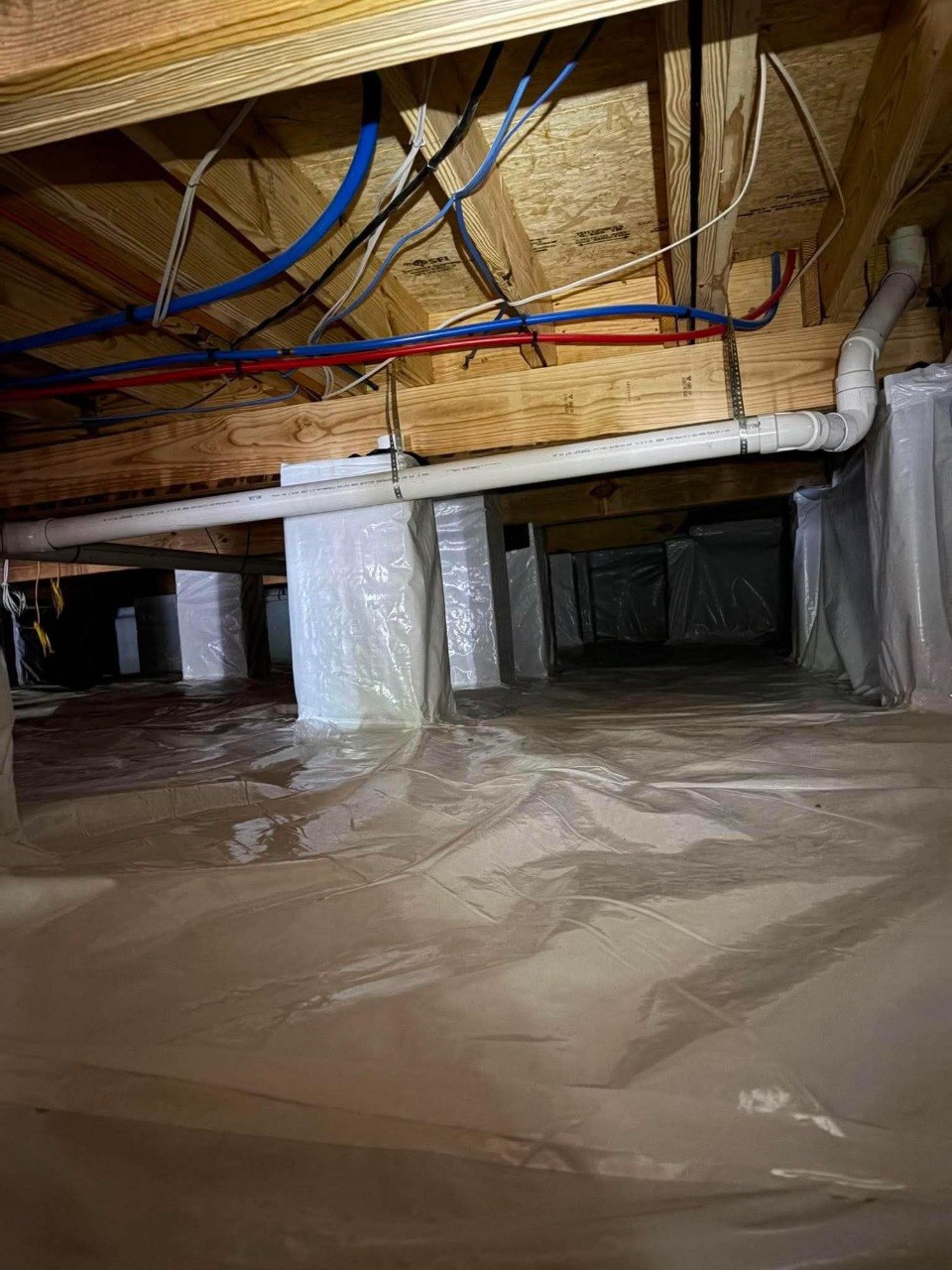
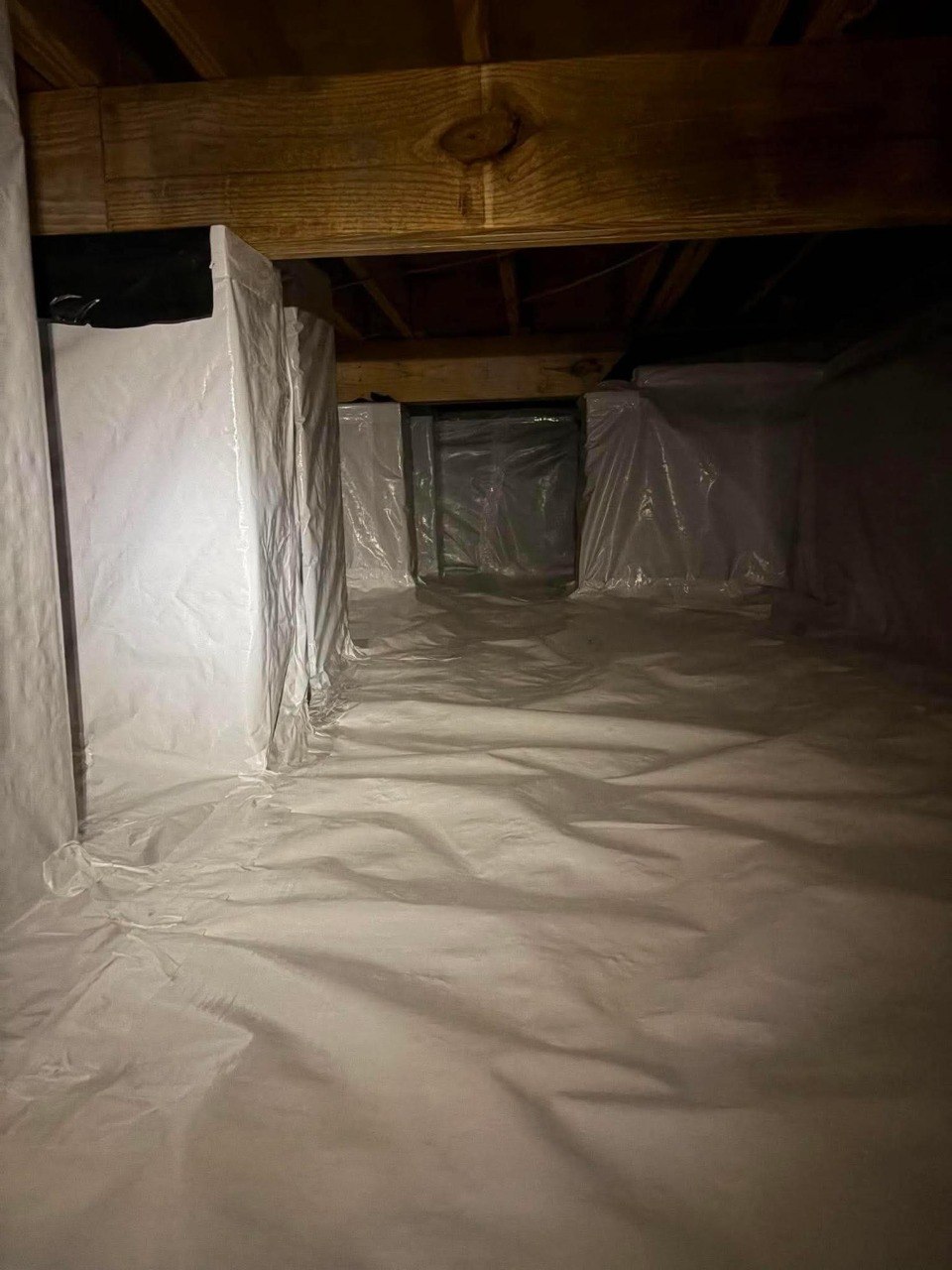
Professional crawl space help for Summerville-area homeowners. Damp crawl space photos are shown below.
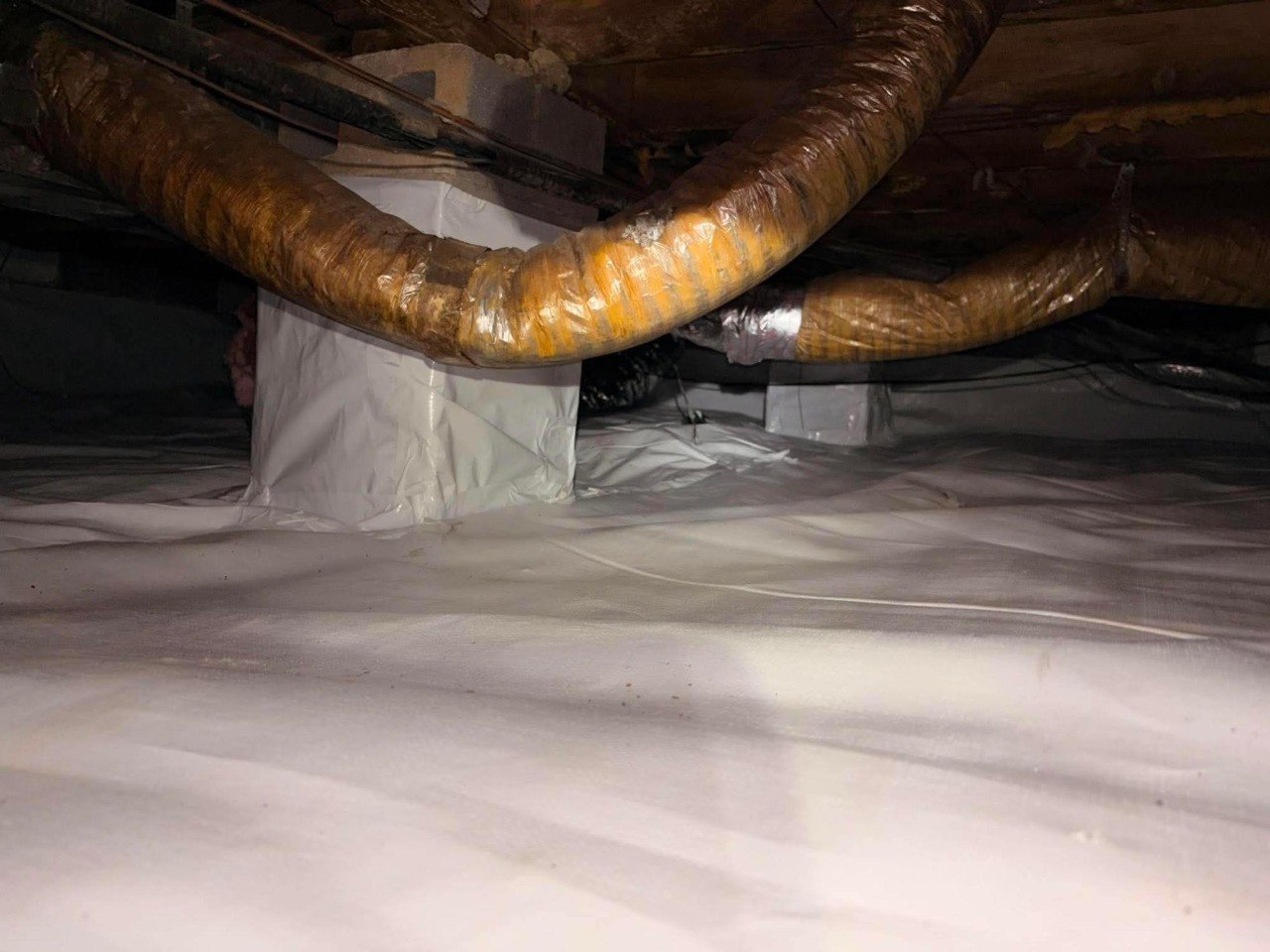
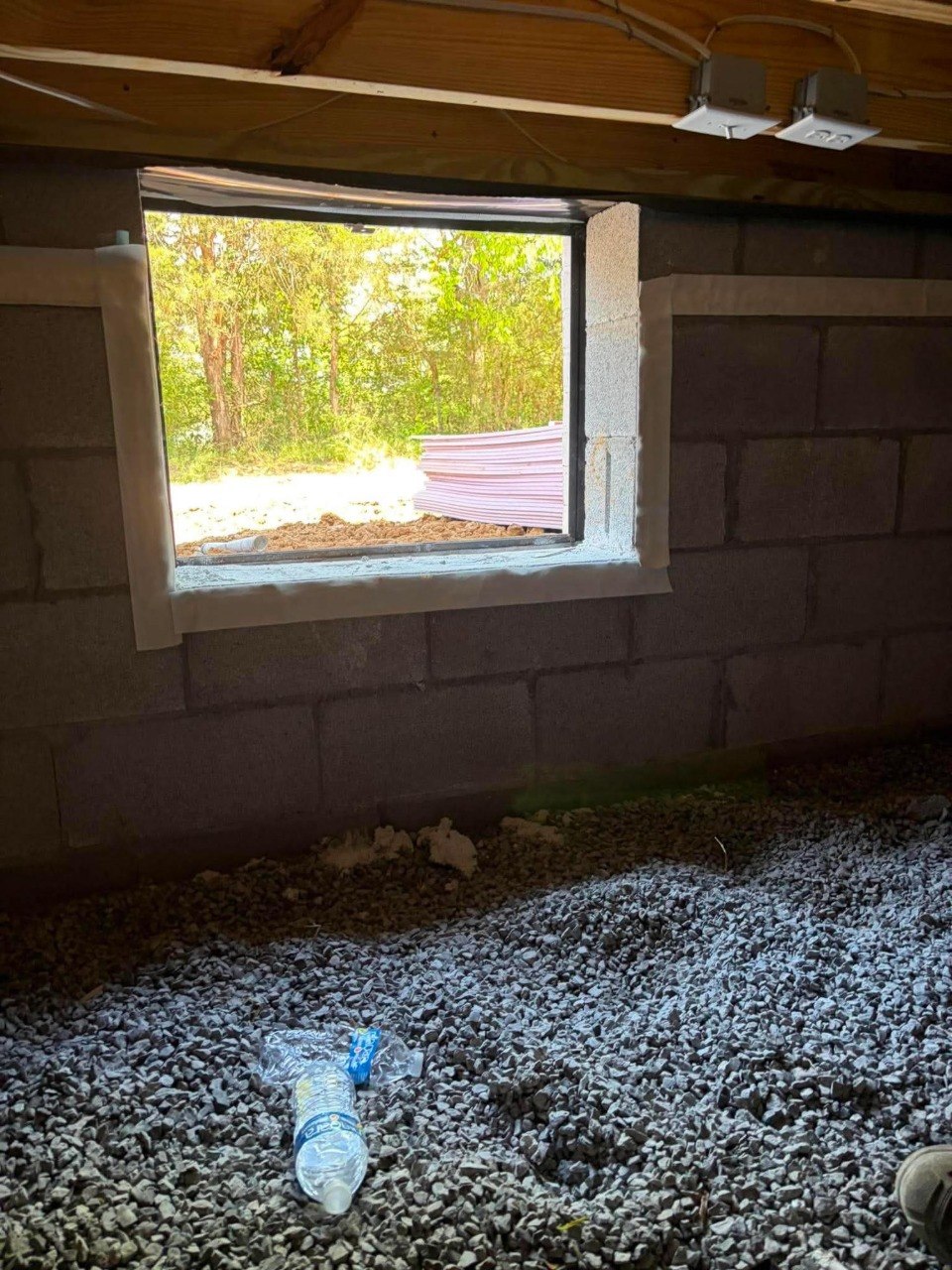
Serving Summerville, Ladson, Goose Creek, Moncks Corner, North Charleston, and nearby Lowcountry communities.
Why Crawl Space Moisture Matters
Moisture under your home can affect comfort, odors, insulation, wood framing, indoor air quality, and pest risk. The right fix depends on whether the problem is ground moisture, outside air, drainage, plumbing, poor grading, or a combination of issues.
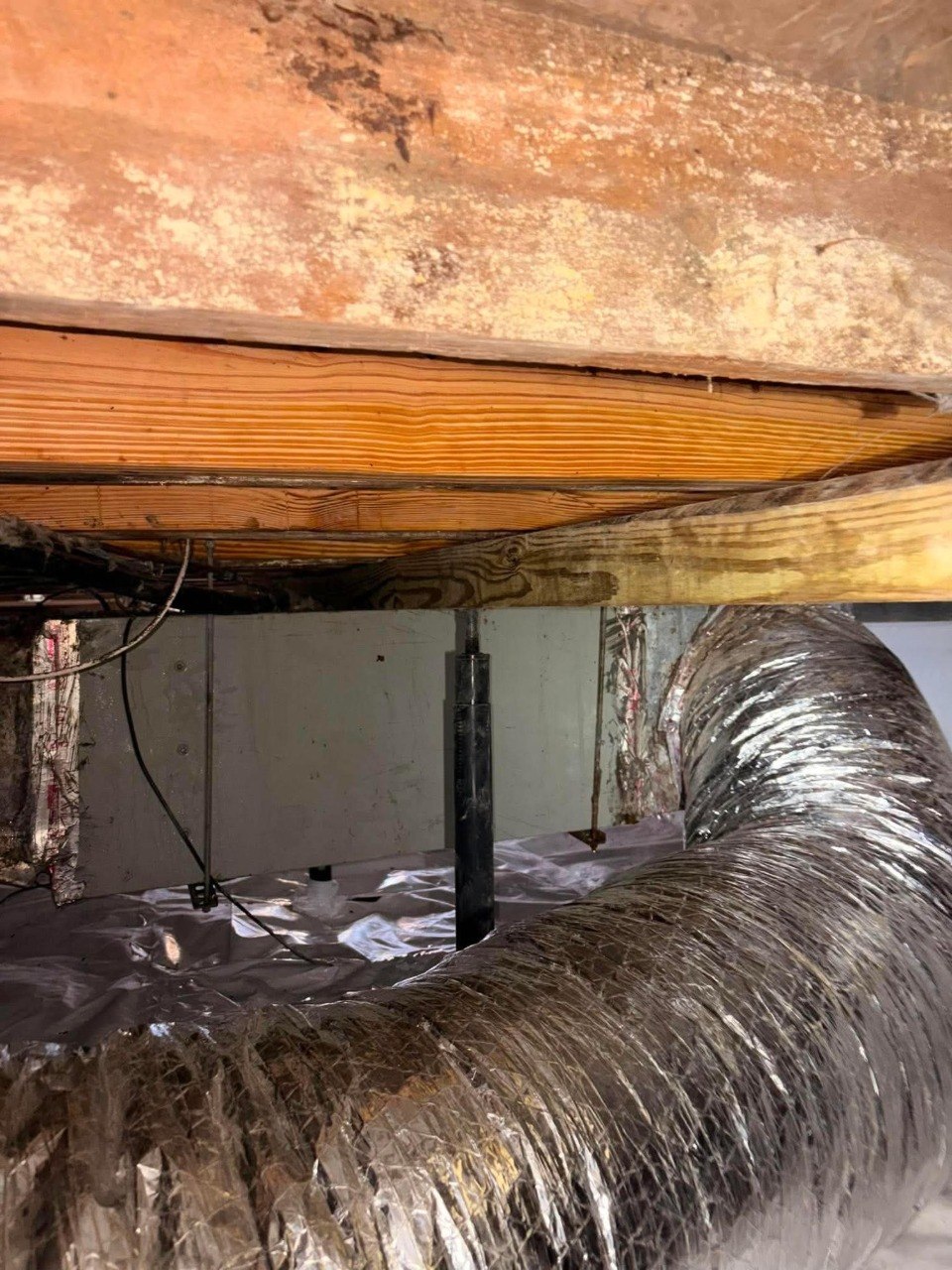
Odors Inside the Home
Musty smells can move from a damp crawl space into closets, bedrooms, and living areas.
Wet Insulation
Damp or sagging insulation can be a sign that humidity or water has been sitting under the home.
Wood and Pest Concerns
Moisture can create conditions where wood damage, mold concerns, or pest activity become more likely.
Common Causes of Crawl Space Moisture
Moisture problems are not all the same. A contractor should inspect the crawl space and explain the likely source before recommending encapsulation, vapor barrier work, drainage, dehumidification, or repairs.
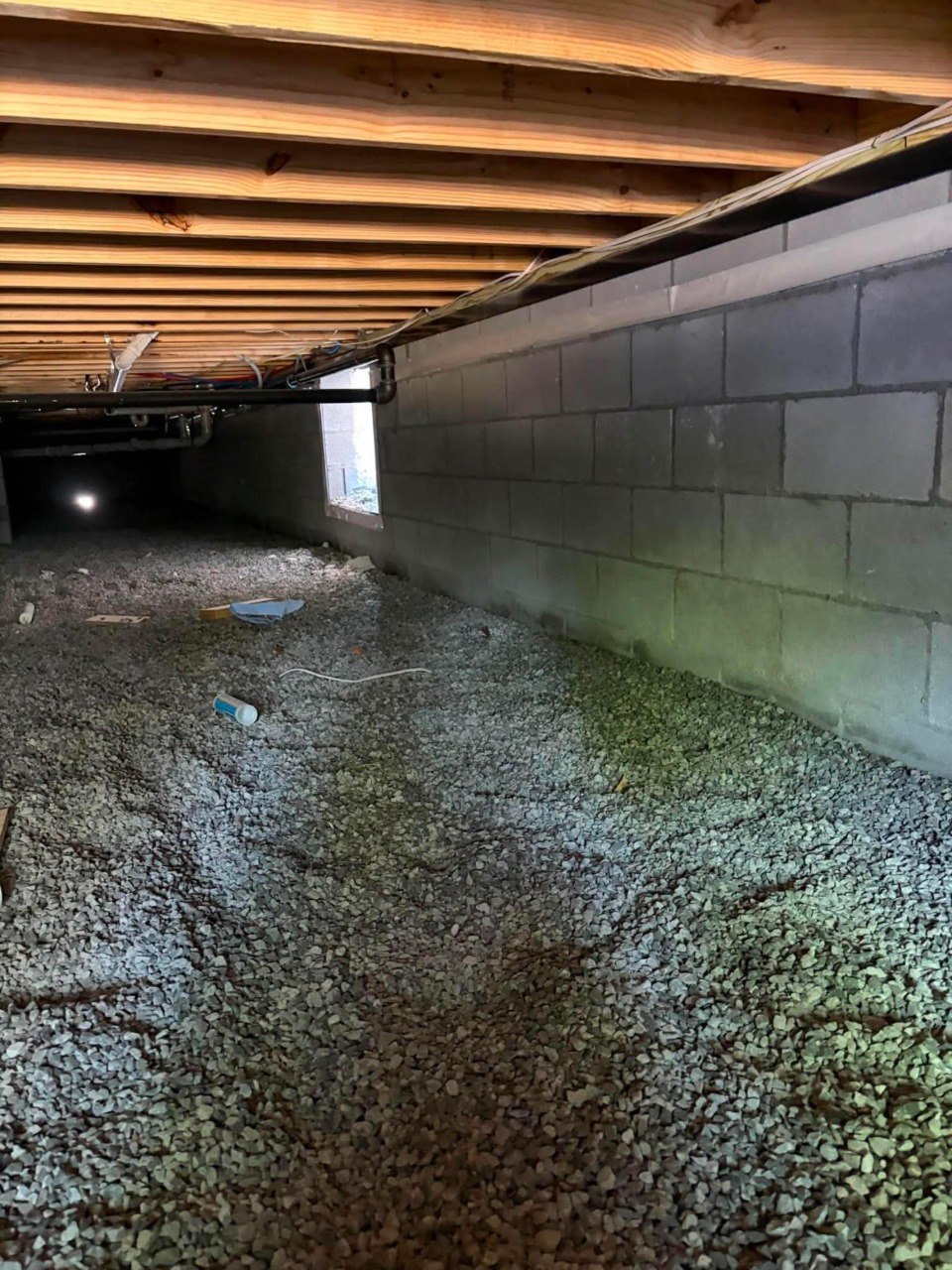
- Exposed soil releasing moisture into the crawl space
- Missing, torn, or poorly sealed vapor barrier
- Outside humidity entering through vents and gaps
- Poor grading or downspouts sending water toward the home
- Standing water after heavy rain
- Plumbing leaks or condensation on pipes and ductwork
- Blocked drainage or low areas under the home
- Old insulation holding moisture
Moisture Control Options Homeowners Ask About
The best solution may be simple or more involved. A local crawl space professional can help identify which option fits the condition under your home.
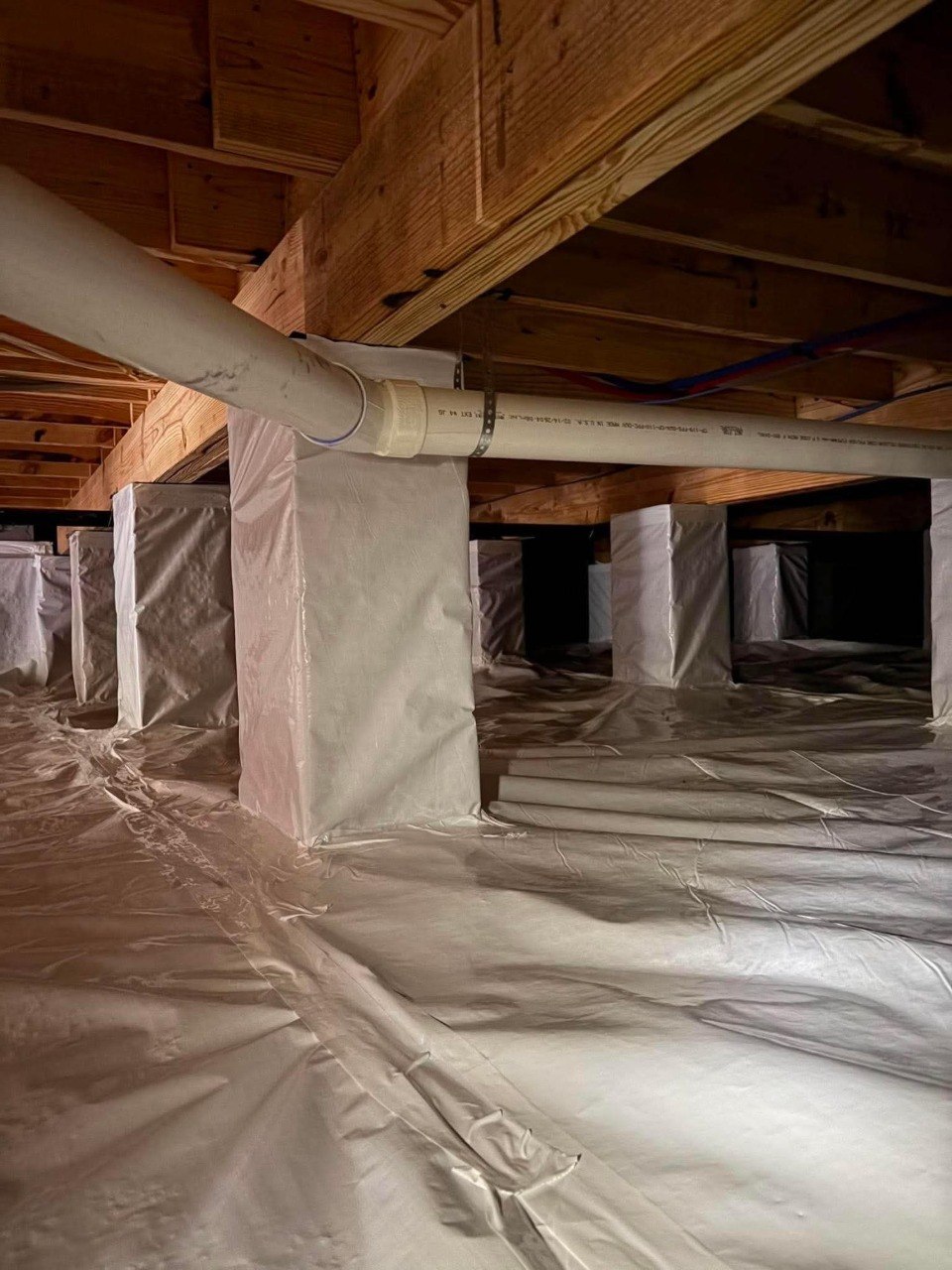
Vapor Barrier Installation
A vapor barrier helps reduce ground moisture from entering the crawl space and may be enough for some homes with lighter moisture issues.
Crawl Space Encapsulation
Encapsulation may include a sealed liner, sealed seams, vent changes, wall protection, and other upgrades to control moisture more completely.
Drainage Improvements
If water is entering the crawl space, drainage, grading, gutters, downspouts, or sump solutions may need to be addressed before sealing work.
Dehumidification
In some crawl spaces, a dehumidifier may help manage humidity after the space is sealed and moisture sources are corrected.
Do Not Guess at the Fix
A crawl space can look bad for several different reasons. Before paying for a full system, make sure someone explains the moisture source, what work is required first, and what the finished result should accomplish.
Signs You Should Request Crawl Space Help
Musty or Damp Smell
If the house smells musty after rain or during humid weather, the crawl space may be contributing.
Visible Water or Mud
Standing water, muddy soil, or water stains can point to drainage or moisture-control problems.
High Indoor Humidity
Damp crawl space air can sometimes affect the comfort level inside the home.
Sagging Insulation
Insulation that is falling, damp, or dirty may be a sign of long-term crawl space moisture.
Mold or Mildew Concerns
Moisture can create conditions where mold or mildew may develop on wood, insulation, or other surfaces.
Soft Floors
Soft, uneven, or bouncy floors should be checked because moisture may contribute to wood deterioration over time.
Crawl Space Moisture Control FAQ
Is a damp crawl space normal in Summerville?
Humidity is common in the Lowcountry, but persistent dampness, standing water, musty smells, or wet materials should be checked.
Do I need encapsulation or just a vapor barrier?
It depends on the source and severity of the moisture. A vapor barrier may help some homes, while others need drainage, sealing, or dehumidification.
Can moisture control help with pests?
Moisture control may reduce conditions pests prefer, but pe