Reduce Damp Conditions That Feed Crawl Space Mold
If your crawl space smells musty or stays damp, moisture may be creating conditions where mold and mildew can develop. The first step is controlling the moisture source, not just covering up the symptoms.
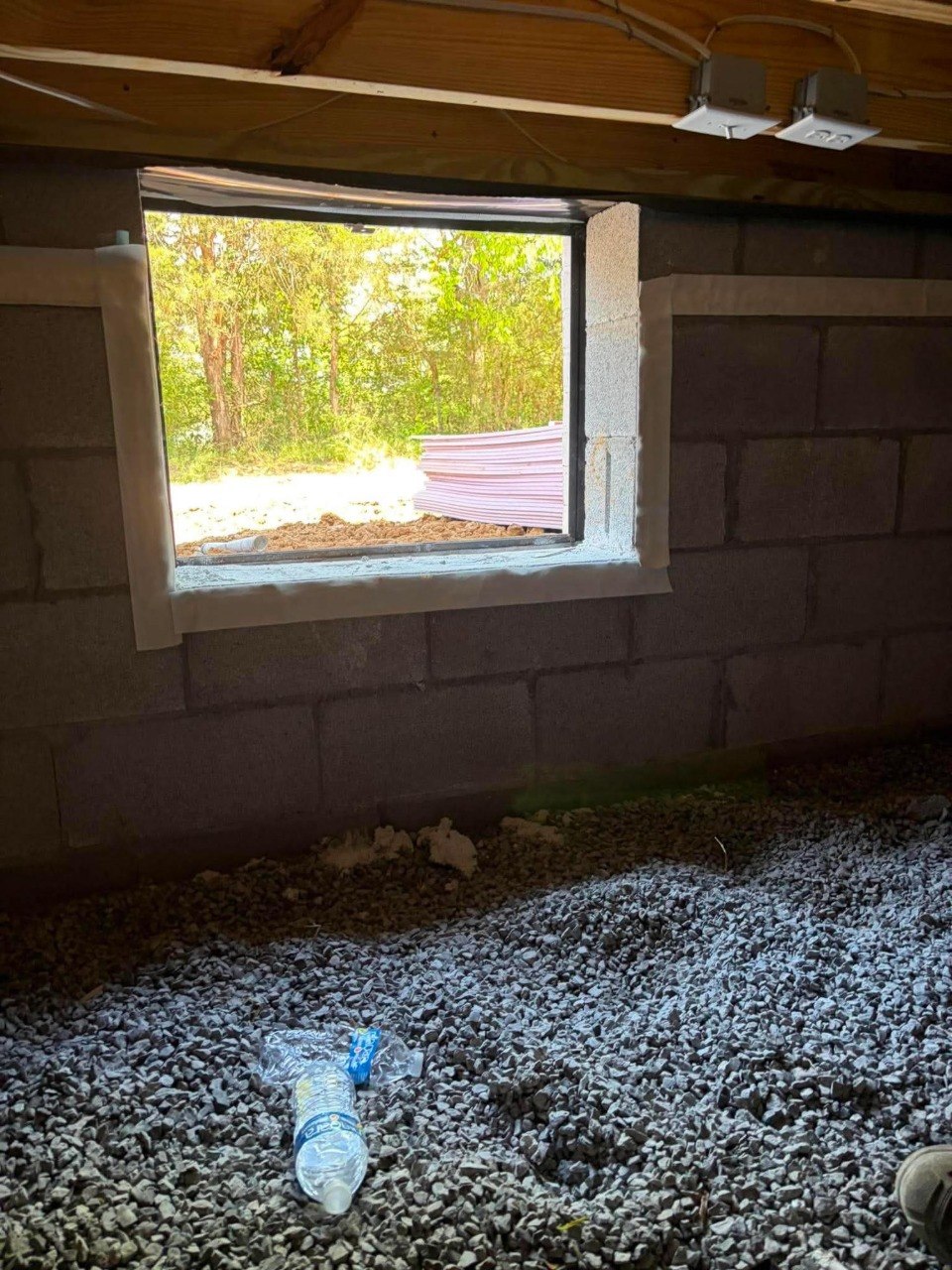
Damp Condition Review
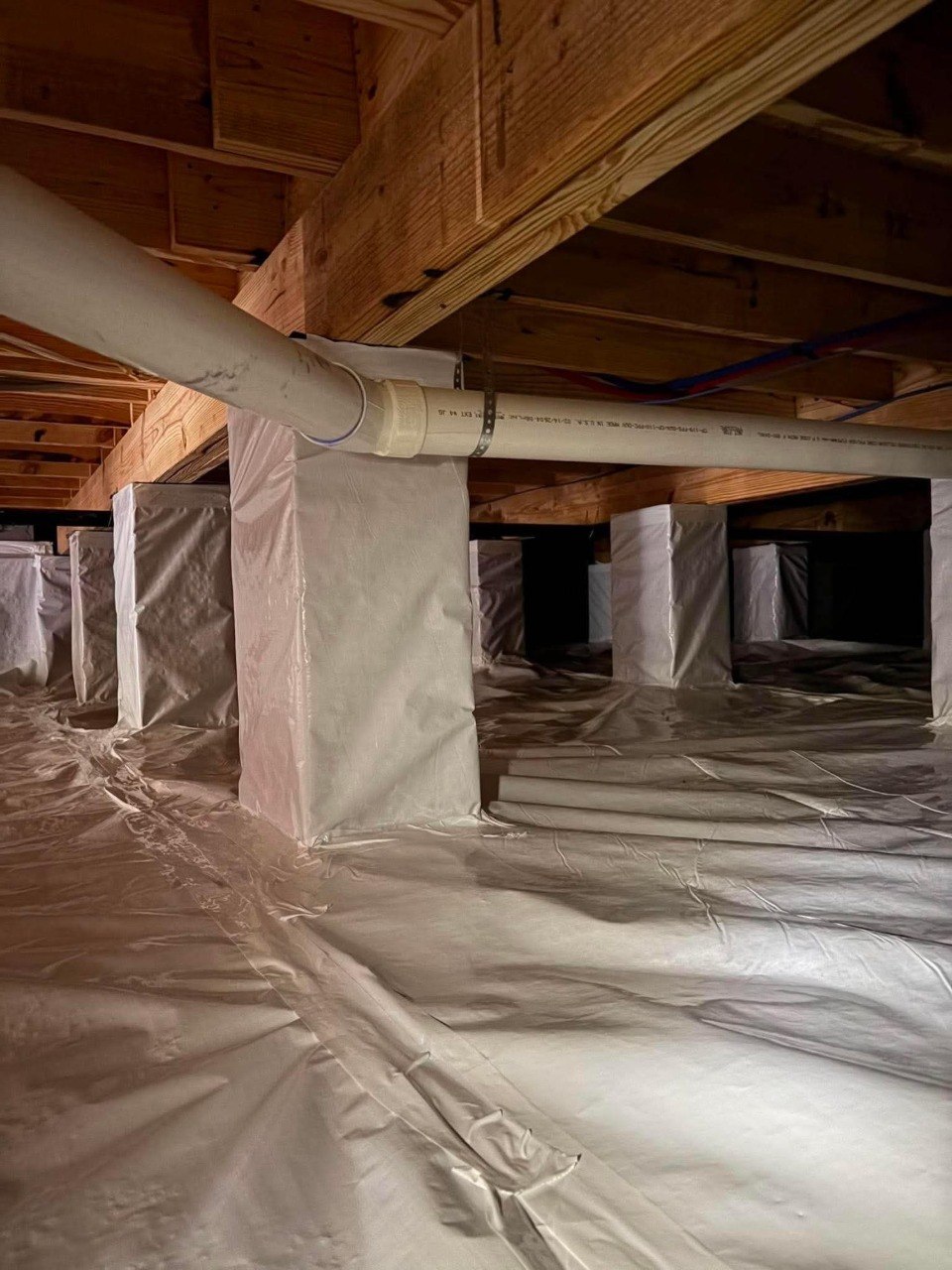
Professional crawl space help for Summerville-area homeowners. A recent crawl space photo is shown below.
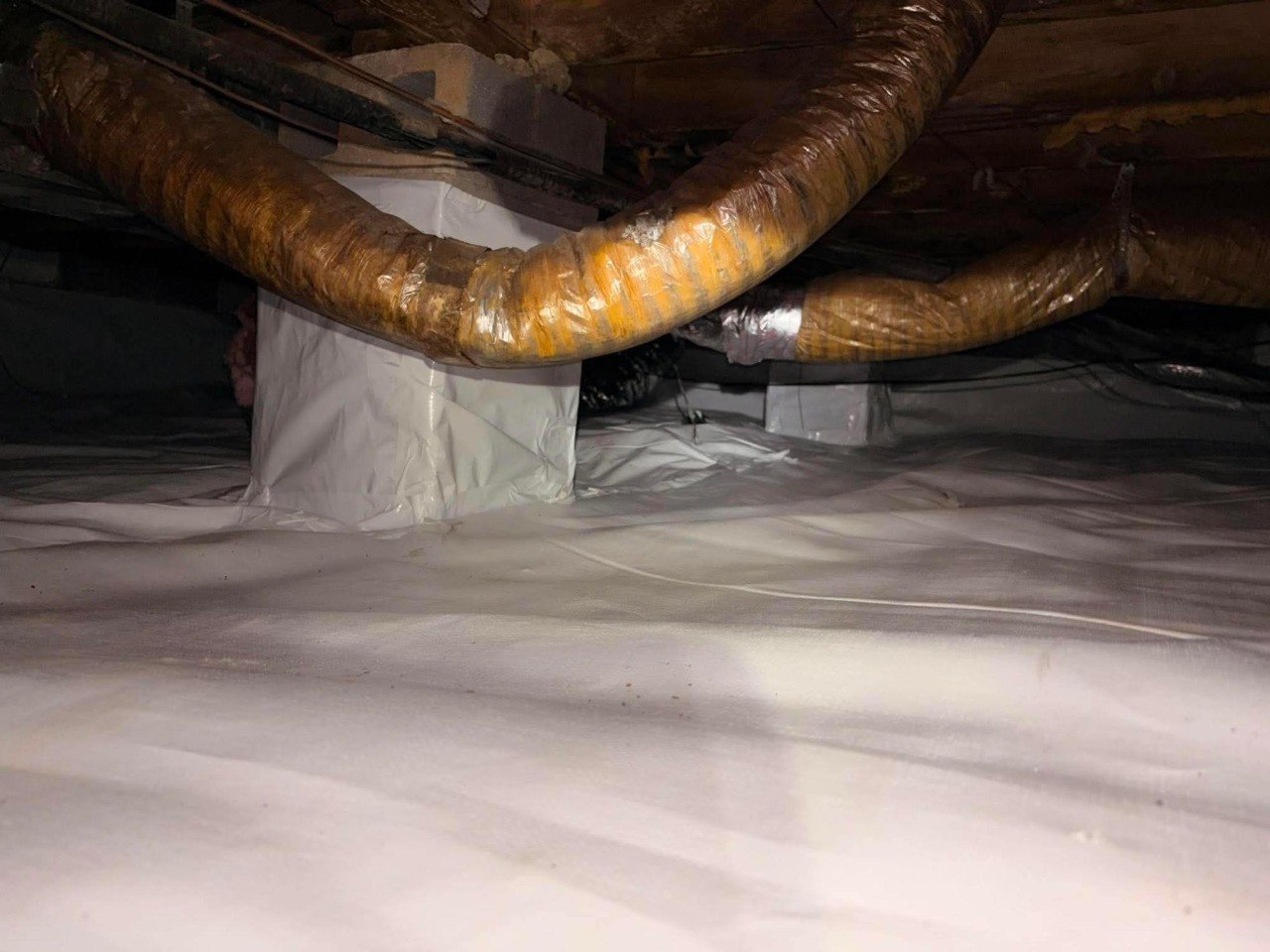
Serving Summerville, Ladson, Goose Creek, Moncks Corner, North Charleston, and nearby Lowcountry communities.
Why Mold Concerns Often Start With Moisture
Crawl space mold concerns are usually connected to moisture, humidity, wet materials, poor ventilation, standing water, or exposed soil. A local professional can inspect the crawl space and explain what may be contributing to the conditions under your home.
High Humidity
Warm, humid crawl space air can keep wood and insulation damp for long periods.
Wet Materials
Insulation, debris, or wood that stays damp can create conditions that support mildew or mold growth.
Musty Odors
Musty smells inside the home can sometimes be connected to moisture and organic growth under the floor.
Signs Your Crawl Space Should Be Checked
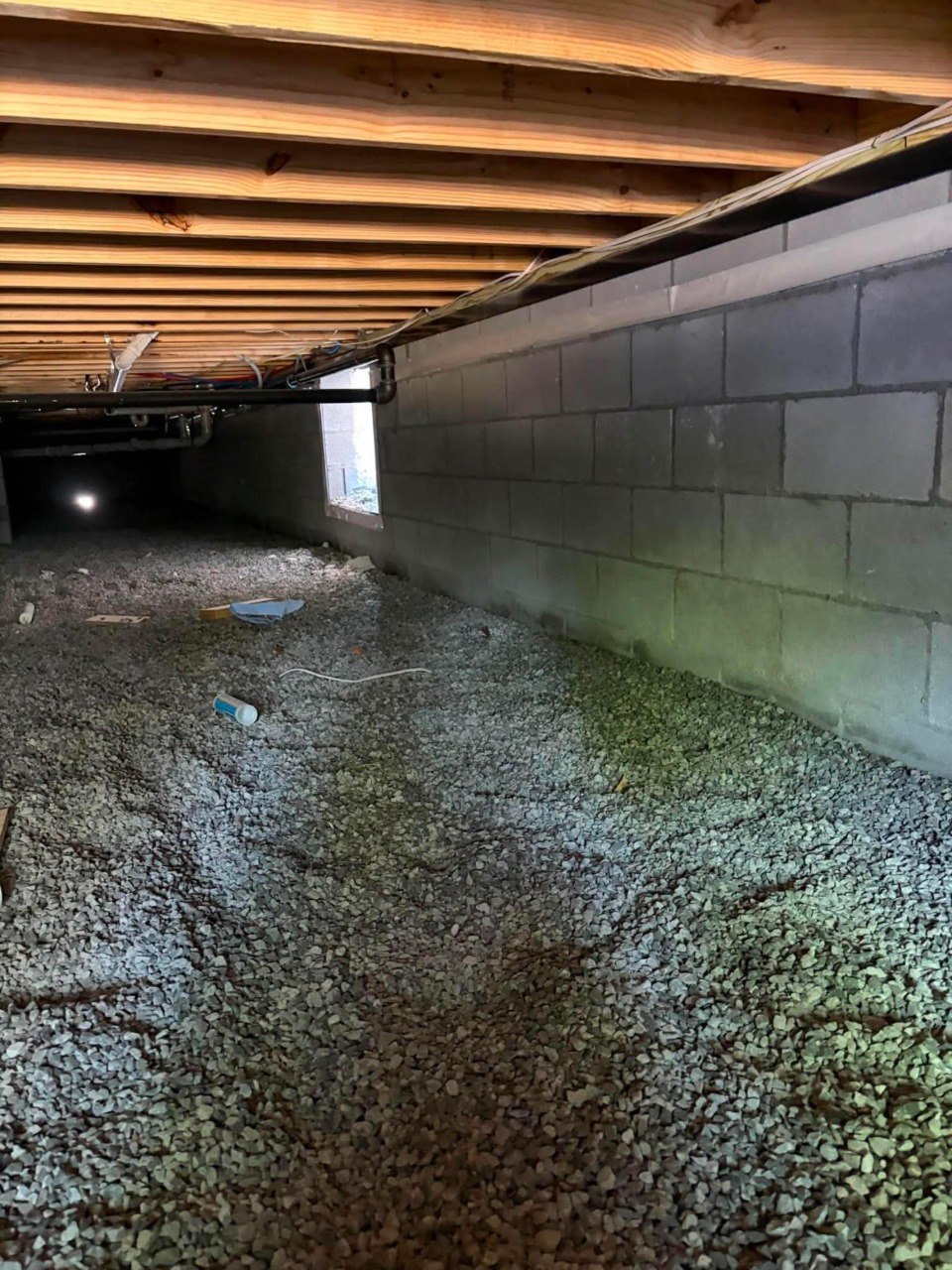
You do not need to know whether something is mold before asking for help. If the space is damp, smells musty, or has suspicious staining, it is worth getting the crawl space reviewed.
- Musty odors inside the home
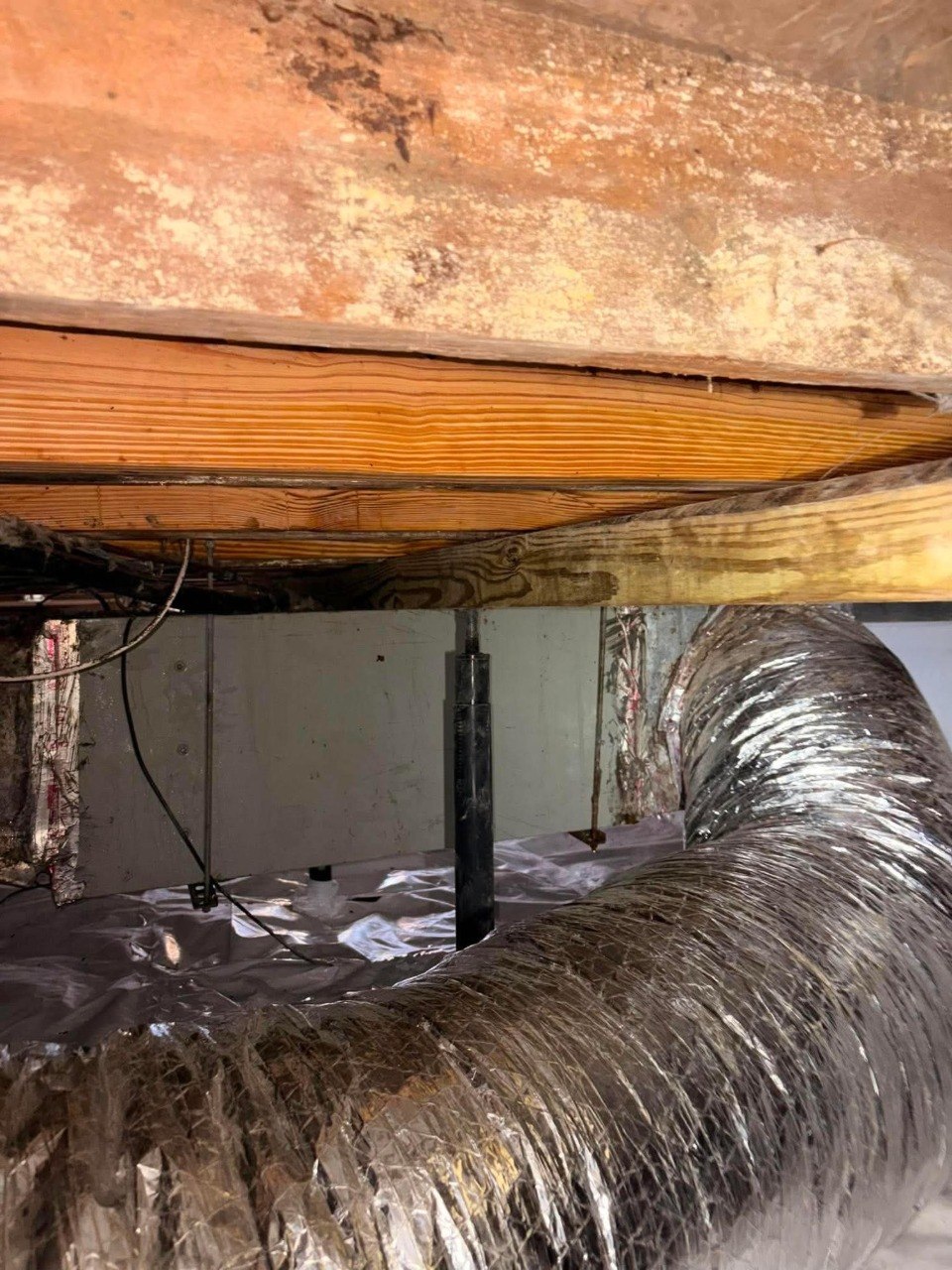
- Visible staining on wood or insulation
- Wet, sagging, or dirty insulation
- Standing water or damp soil
- High indoor humidity
- Condensation on ductwork or pipes
- Soft, uneven, or bouncy floors
- Termite or pest concerns connected to dampness
Moisture-Control Steps That May Help Reduce Mold Risk
The right plan depends on what is happening under the home. A crawl space professional may recommend one or more moisture-control steps before or alongside any cleanup work.
Find the Moisture Source
Standing water, plumbing leaks, outside drainage, ground moisture, and humidity problems should be checked before recommending a system.
Remove Wet or Damaged Materials
Damp insulation, debris, or damaged materials may need to be addressed so moisture is not trapped under the home.
Install a Vapor Barrier
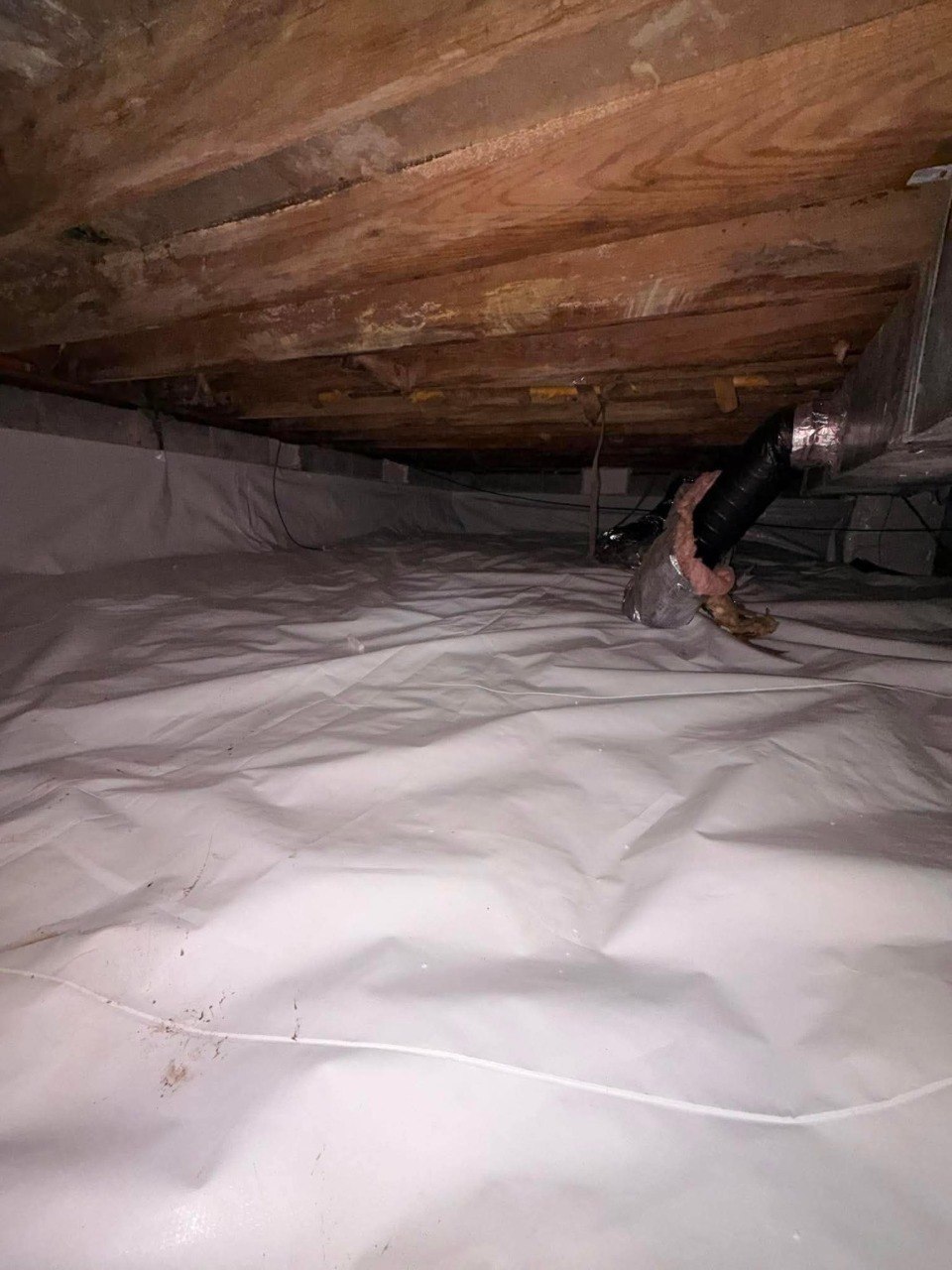
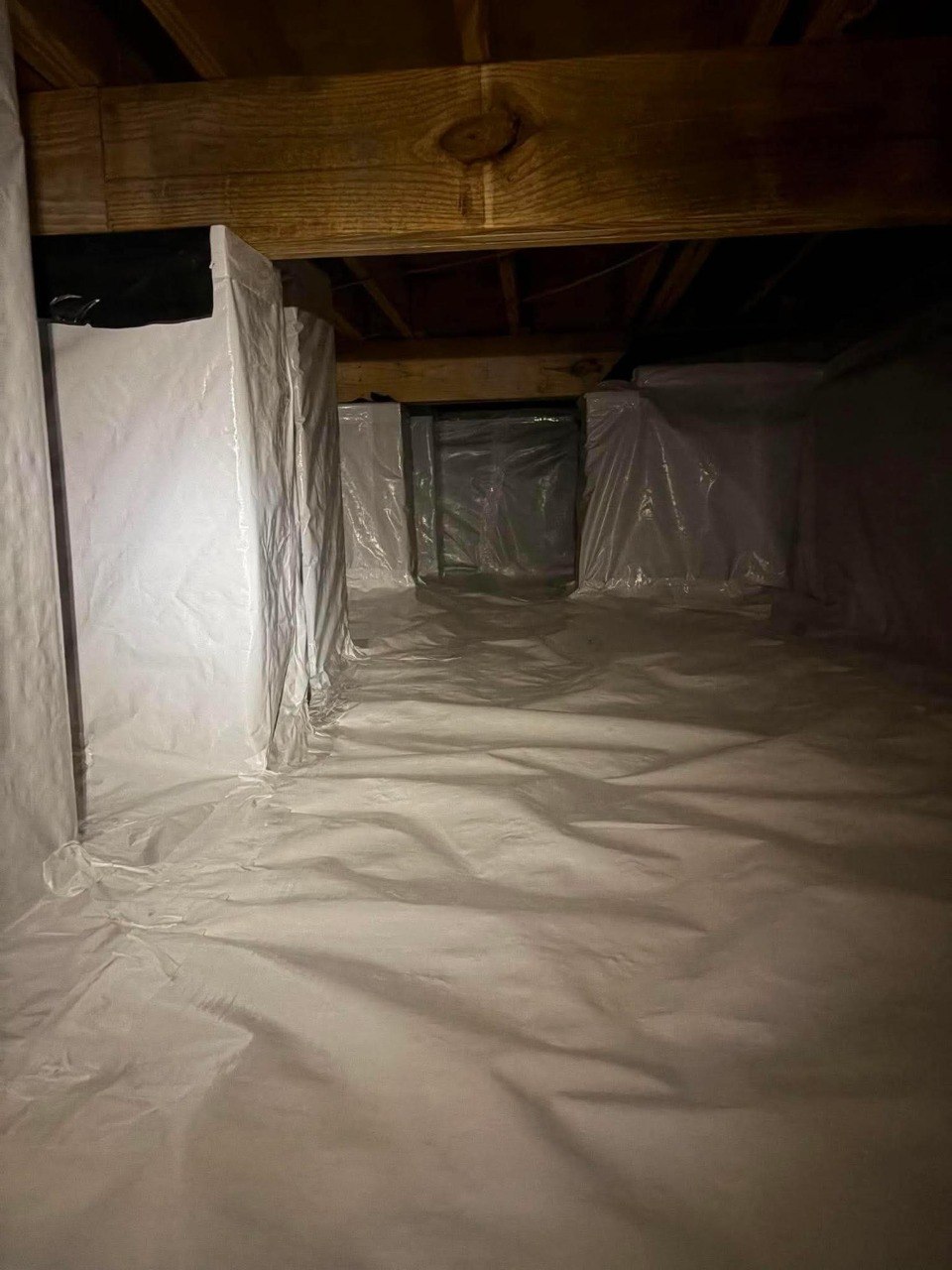
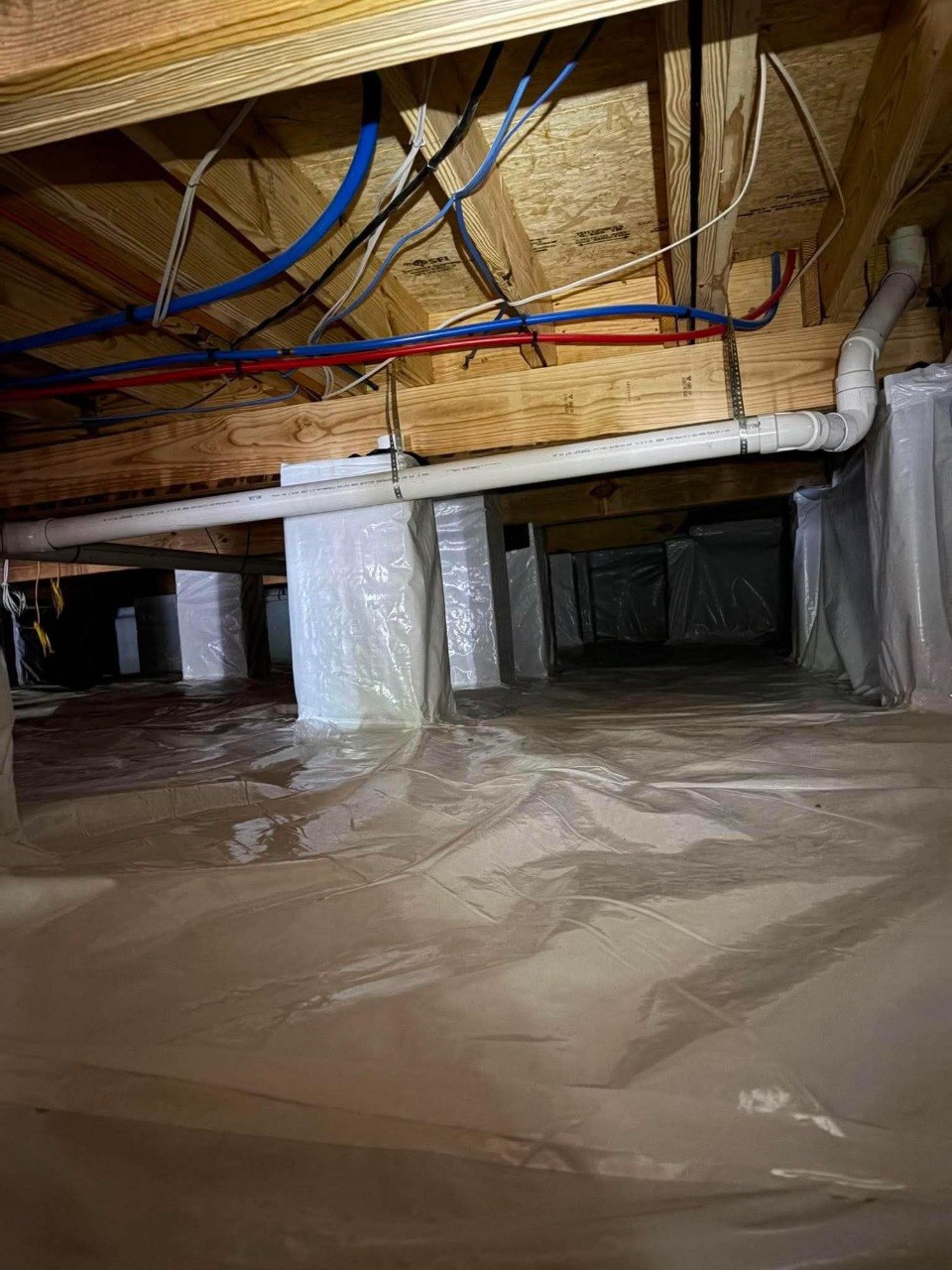
A vapor barrier can help reduce moisture coming from exposed soil and may be part of a broader prevention plan.
Consider Encapsulation or Dehumidification
For persistent humidity, encapsulation and dehumidification may help keep the crawl space drier over time.
Important: Mold Cleanup and Moisture Control Are Not the Same
If you suspect active mold, ask whether the provider performs remediation, moisture-control work, or both. This site helps route homeowners to local crawl space and moisture-control providers, but homeowners should verify licensing, scope, insurance, and qualifications before hiring anyone.
Questions to Ask Before Hiring Someone
Diagnosis Questions
- What is causing the crawl space moisture?
- Is there standing water or a leak?
- Are materials staying wet?
- Is the issue related to humidity, drainage, or exposed soil?
- Will photos be provided before and after?
Scope Questions
- Do you perform mold remediation or only moisture control?
- What work is included in the estimate?
- Is removal of wet insulation included?
- Is encapsulation or a vapor barrier recommended?
- What warranty or follow-up is included?
Crawl Space Mold Prevention FAQ
Can crawl space moisture cause musty smells?
Yes. Damp materials and humid crawl space air can contribute to musty odors that move into the home.
Does encapsulation prevent mold?
Encapsulation may help control moisture conditions, but it is not a guarantee and should be paired with proper diagnosis and any needed cleanup or repairs.
Should I test for mold?
If you are concerned about health, visible growth, or indoor air quality, ask a qualified professional what testing or remediation steps make sense.
What should I do first?
Start by requesting a crawl space check and describing the odors, stains, moisture, or other symptoms you are seeing.