Control Moisture Before It Damages the Space Under Your Home
If your crawl space smells musty, feels damp, has exposed soil, damaged insulation, standing water, or high humidity, encapsulation may be one option to help control moisture under your home.
Cleaner Sealed Crawl Space Plan
Professional crawl space help for Summerville-area homeowners. Before, after, and support photos are shown below.
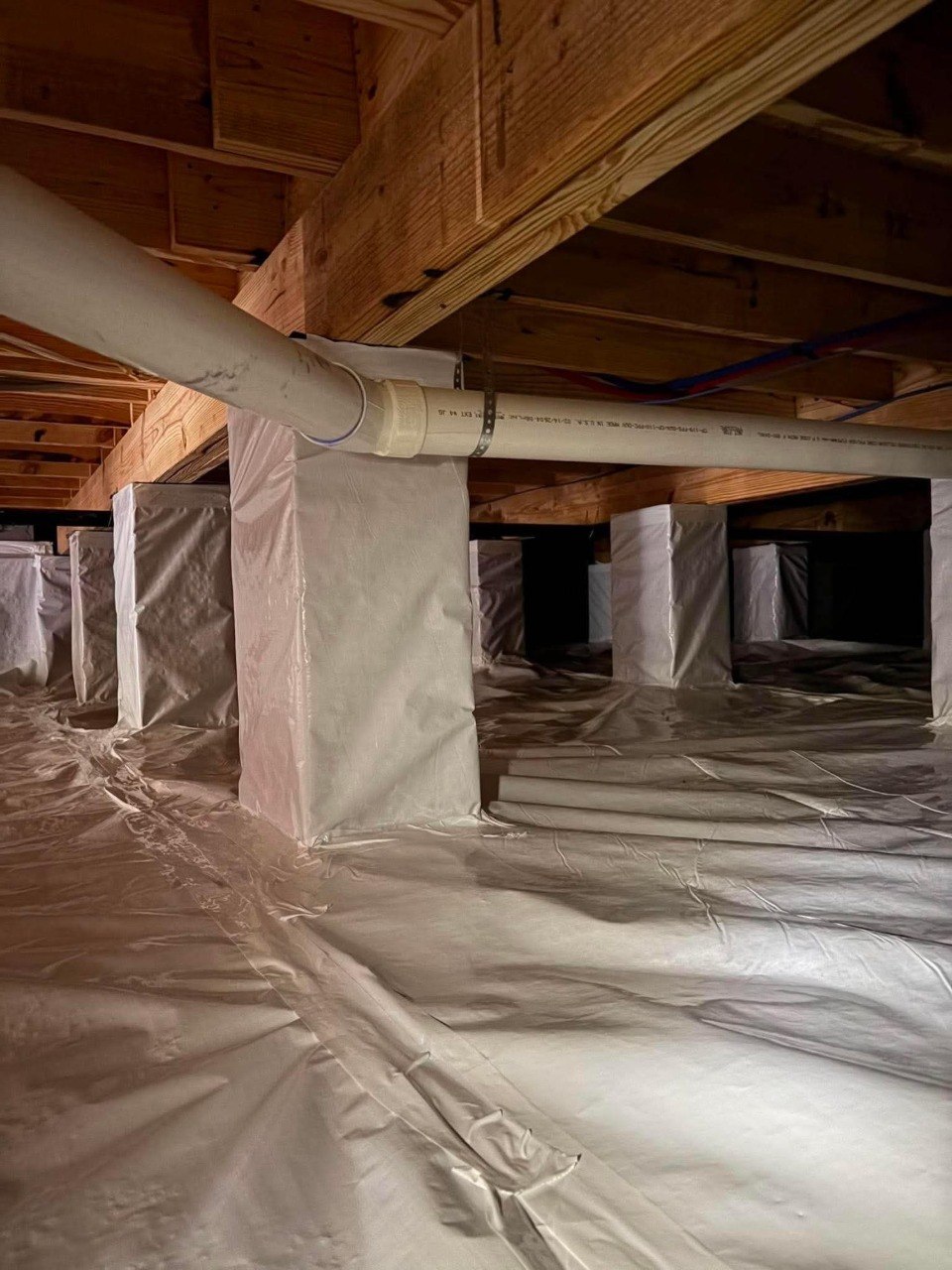
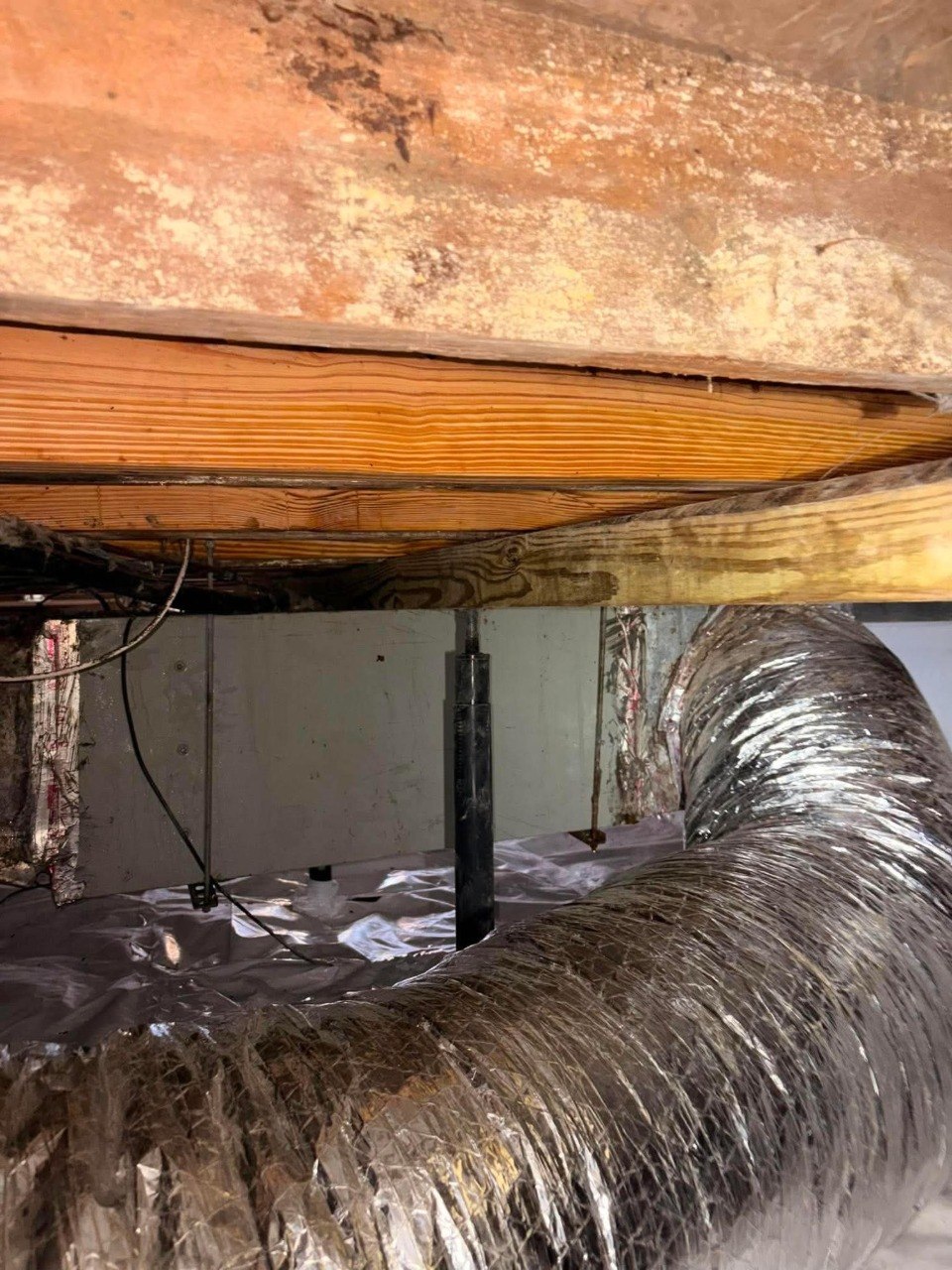
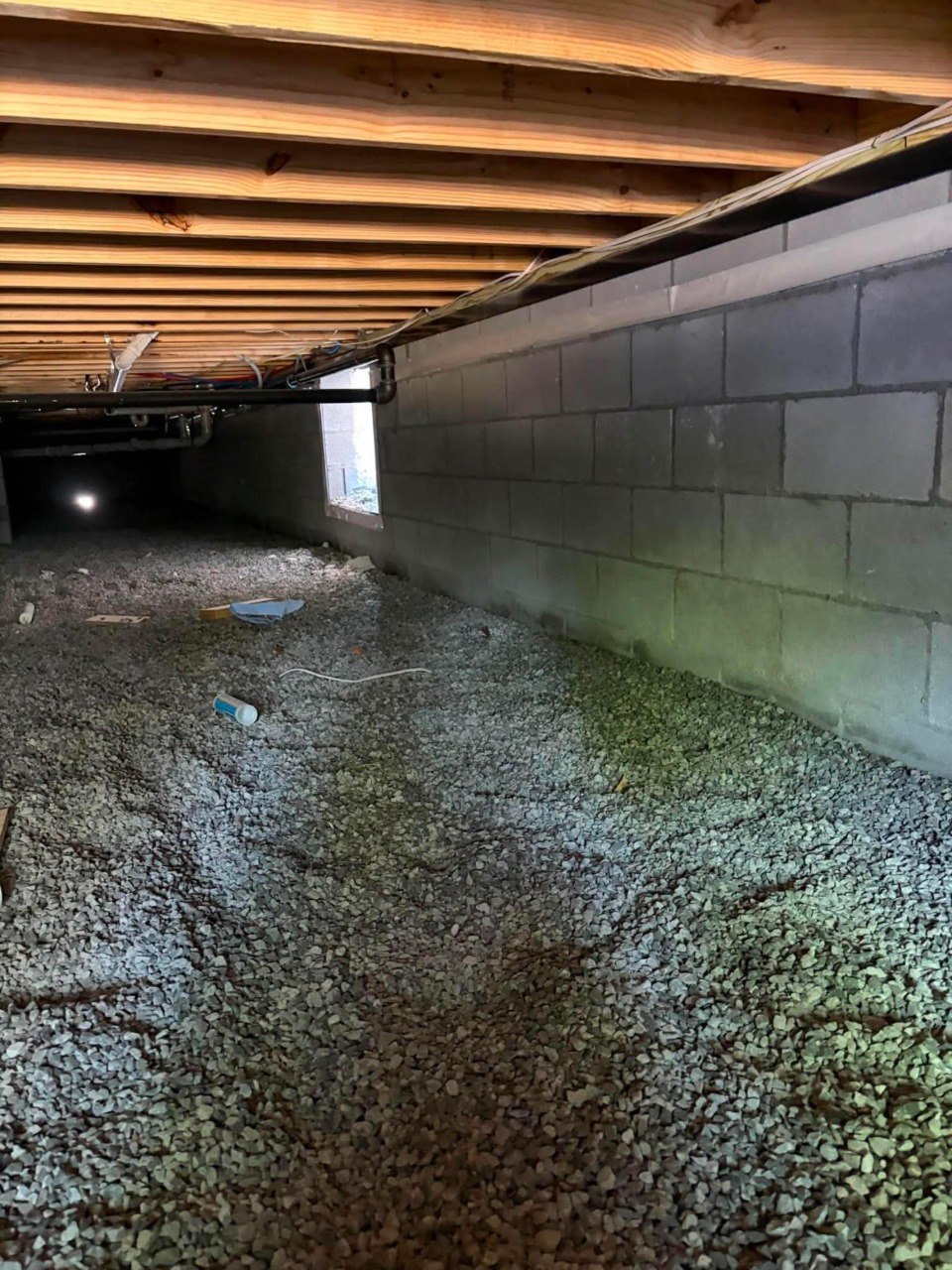
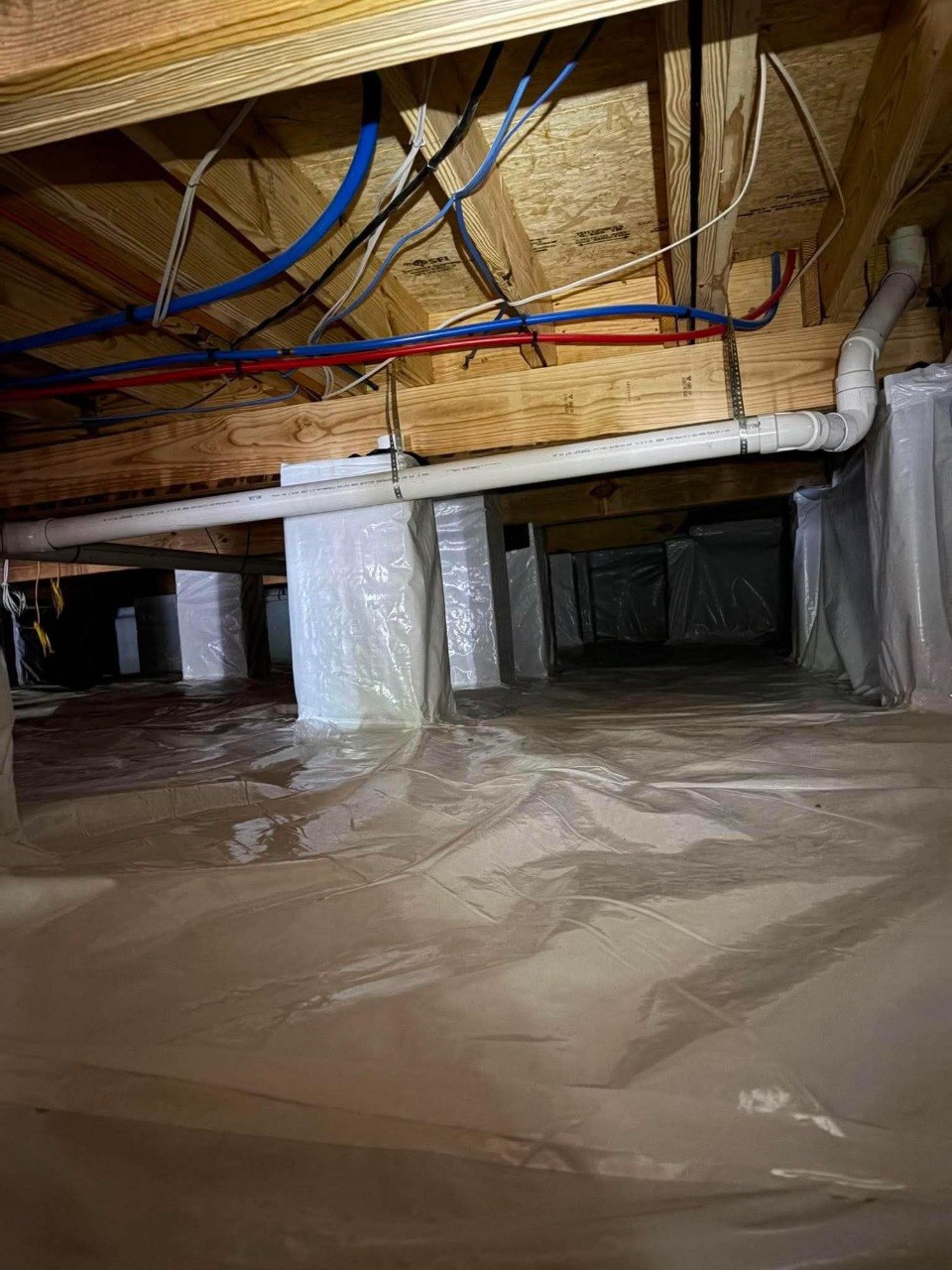
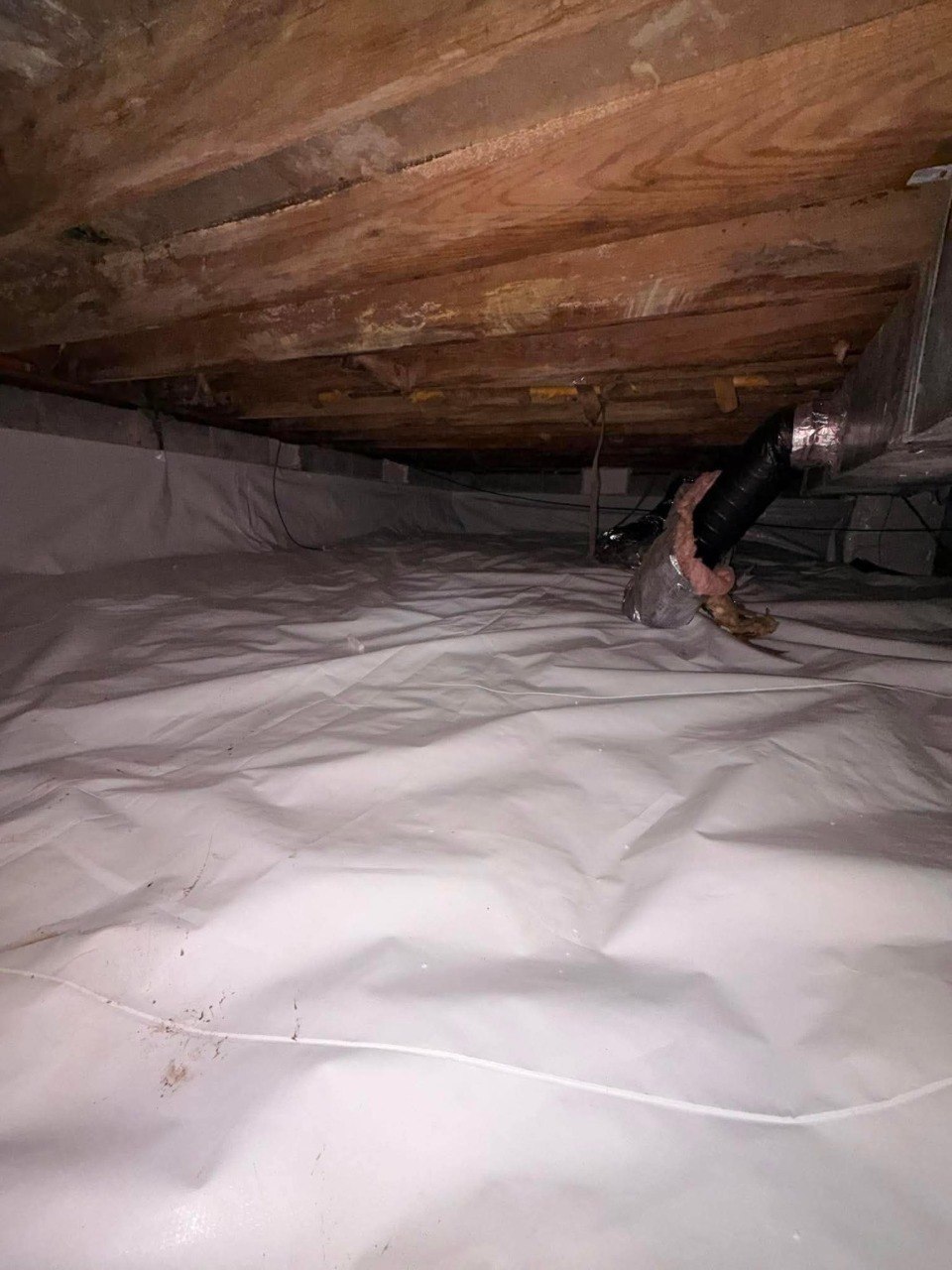
Serving Summerville, Ladson, Goose Creek, Moncks Corner, North Charleston, and nearby Lowcountry communities.
What Is Crawl Space Encapsulation?
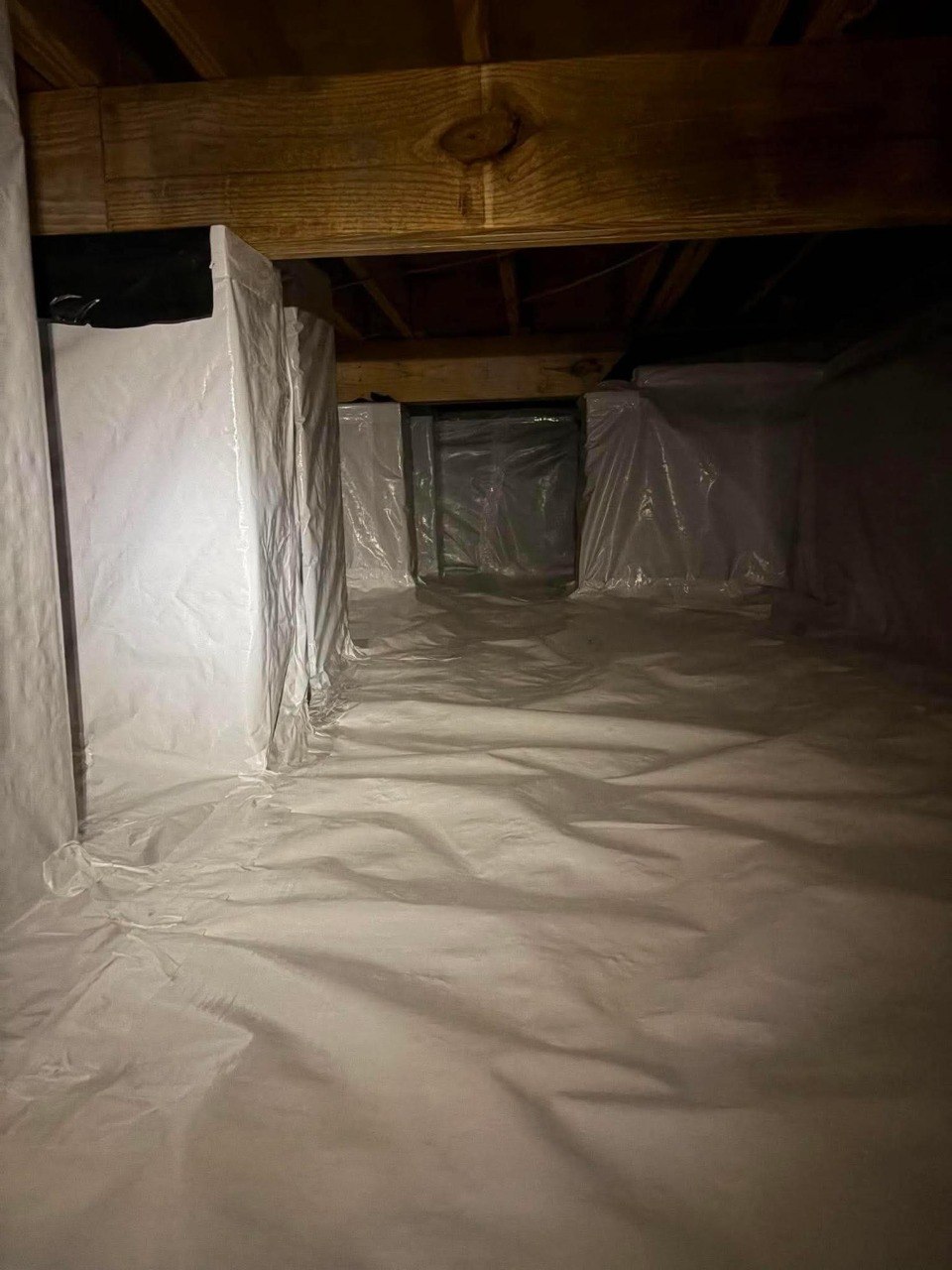
Crawl space encapsulation is a moisture-control approach that helps separate the crawl space from ground moisture and outside air. The exact scope depends on the home and may include a heavy-duty liner, sealed seams, sealed vents, wall protection, drainage corrections, insulation changes, and dehumidification.
Ground Moisture Control
A sealed liner can help reduce moisture moving from exposed soil into the crawl space.
Humidity Reduction
Encapsulation may be paired with dehumidification or ventilation changes to help manage damp air.
Cleaner Crawl Space
A properly installed liner can make the crawl space cleaner and easier to inspect over time.
Signs Your Summerville Home May Need Encapsulation
Not every crawl space needs full encapsulation. Some homes may only need drainage, a vapor barrier, plumbing repair, grading correction, or insulation work. But if moisture keeps coming back, a more complete crawl space plan may be worth discussing.
- Musty odors inside the home
- Standing water or wet soil under the house
- Sagging or damp insulation
- High crawl space humidity
- Mold or mildew concerns
- Condensation on ducts or wood surfaces
- Soft, uneven, or bouncy floors
- Termite or pest concerns connected to moisture
What May Be Included in an Encapsulation Project?
A good contractor should inspect the crawl space before recommending a scope. Ask what is included, what is optional, and what problems must be fixed before encapsulation.
Moisture Source Review
The contractor should look for drainage problems, standing water, plumbing leaks, exposed soil, open vents, and conditions that keep the crawl space damp.
Vapor Barrier or Liner
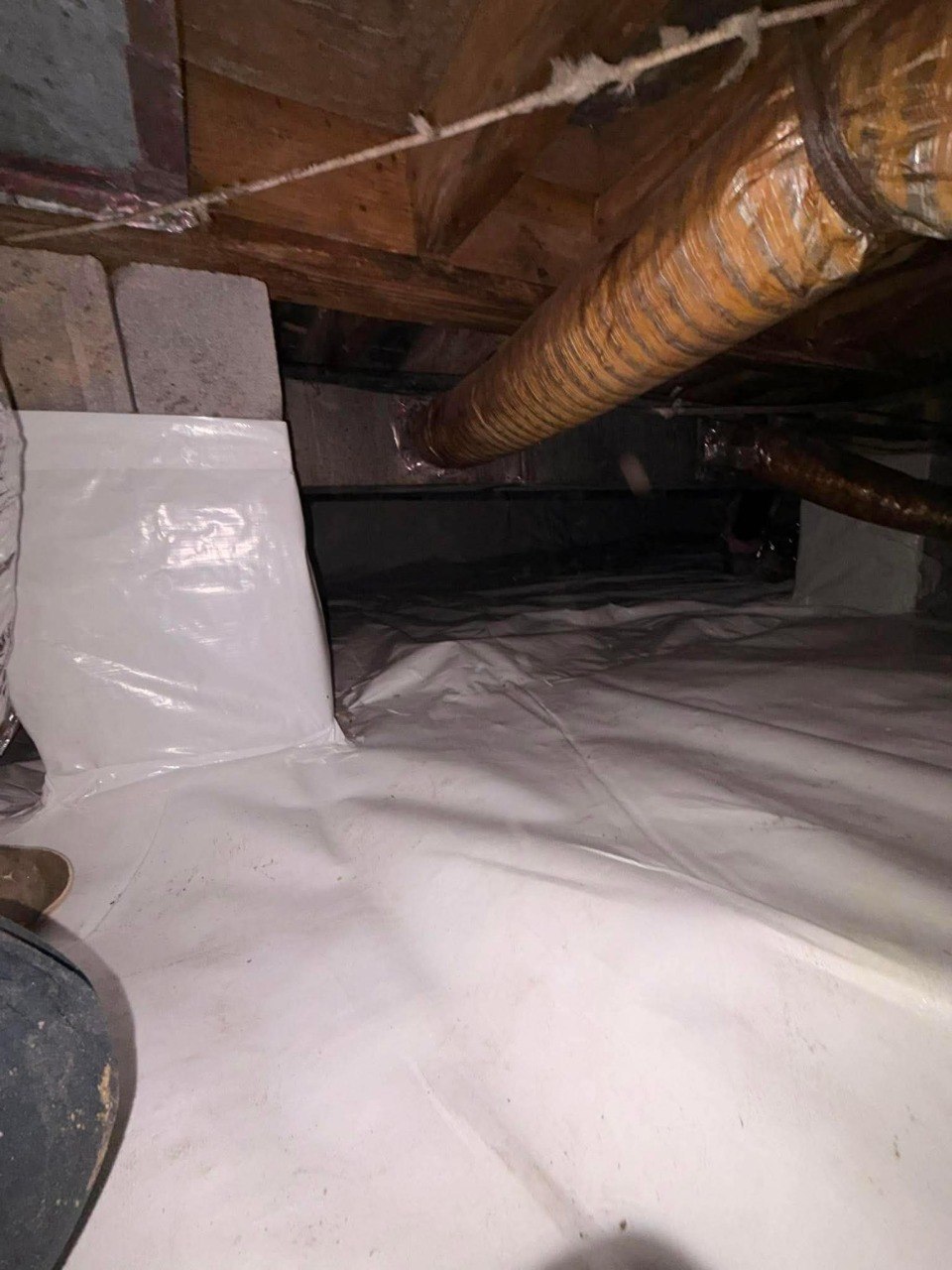
A liner may be installed across the ground and sometimes up foundation walls or piers depending on the encapsulation plan.
Sealing and Vent Work
Encapsulation often involves sealing seams, penetrations, vents, and other areas where outside air and moisture can enter.
Drainage or Dehumidifier Options
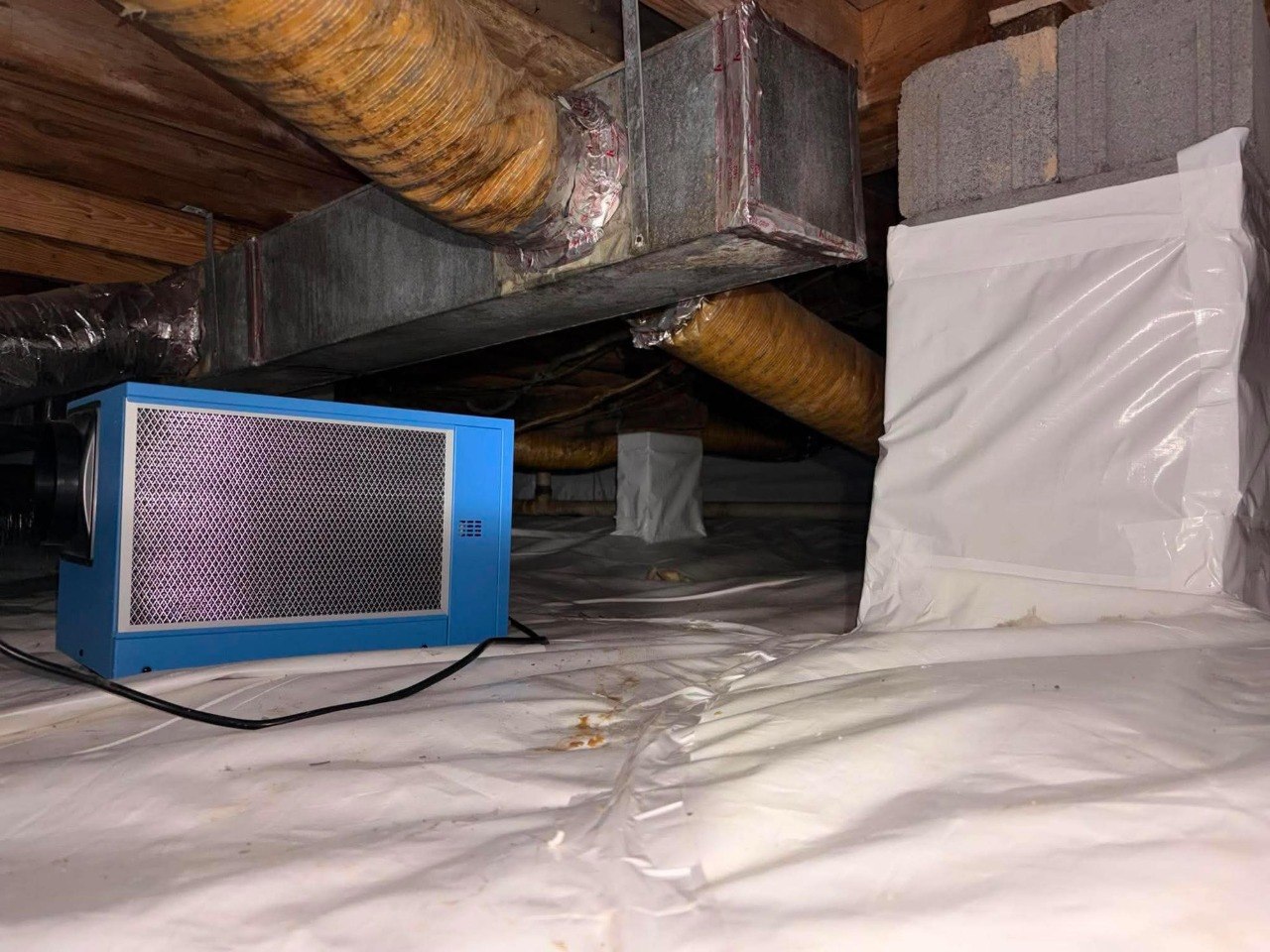
If water is entering or humidity remains high, drainage corrections or a crawl space dehumidifier may be discussed.
Before You Pay for Encapsulation
Do not buy a full encapsulation package just because the crawl space looks bad. First, make sure the contractor explains where the moisture is coming from, whether there is standing water, whether repairs are needed, and whether the proposed system actually solves the cause of the problem.
Questions to Ask a Crawl Space Contractor
Scope Questions
- What moisture problem are you solving?
- Is drainage needed before encapsulation?
- Is the liner sealed at seams, walls, and piers?
- Will vents be sealed or changed?
- Is a dehumidifier included or optional?
Business Questions
- Are you licensed or registered for this type of work?
- Do you carry insurance?
- What warranty is included?
- What is excluded from the estimate?
- Can I see photos of similar local work?
Crawl Space Encapsulation FAQ
Is encapsulation always necessary?
No. Some crawl spaces may only need a vapor barrier, drainage correction, leak repair, insulation work, or dehumidification. An inspection helps determine what makes sense.
Can encapsulation help with musty smells?
It may help if the odor is connected to crawl space moisture. The cause should be checked first because odors can also come from mold, wet materials, plumbing issues, or other conditions.
Does encapsulation stop termites?
Encapsulation is not termite treatment. Moisture control may reduce conditions pests like, but termite concerns should be reviewed by a properly licensed pest-control professional.